Advertisement






The Gulf conflict has disrupted global supply chains, pushed...
REITs have changed the way commercial real estate is owned a...
What really powers the cloud? Behind every Google search, A...
What really powers the cloud? Behind every Google search, A...
Luxury real estate is one of the most talked-about segments ...
India will need an estimated investment of INR 15 lakh crore to increase its nuclear power capacity by 91 gigawatts (GW) and achieve its target of 100 GW by 2047, according to Central Electricity Authority (CEA) Chairman Ghanshyam Prasad. The country will also require greater private sector participation to meet this goal. India's installed nuclear capacity currently stands at around 8.8 GW and is expected to reach 22 GW by 2030-31. Nuclear power is expected to support rising electricity demand by providing a stable, round-the-clock supply alongside renewable energy.
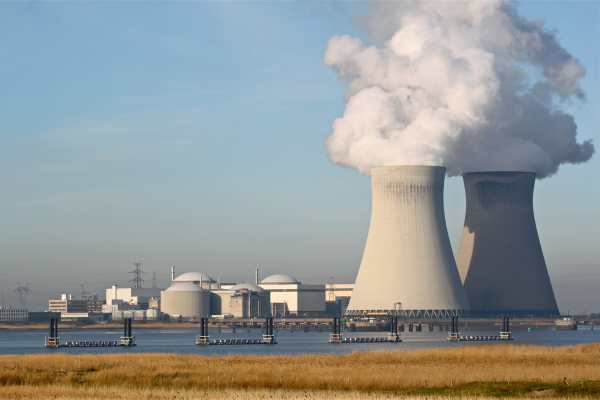
India will require an investment of INR 15 lakh crore to add 91 gigawatts (GW) of nuclear power capacity by 2047, Central Electricity Authority (CEA) Chairman Ghanshyam Prasad said on Wednesday. The investment is needed to achieve the country's target of 100 GW of installed nuclear capacity, alongside greater participation from private companies.
Speaking at a CEA brainstorming event on making the Indian power sector AI-enabled, Prasad said India's existing installed nuclear power capacity stood at around 8.8 GW. The country is expected to increase this to 22 GW by 2030-31 as it works towards its long-term target.
Of the planned 100 GW nuclear capacity, 46 GW is expected to come through public sector undertakings (PSUs), private players and joint ventures (JVs), Prasad said.
The expansion is also expected to help India meet its growing electricity demand. Peak power demand is projected to rise to 459 GW by 2035-36, compared with 250 GW in 2024-25. This increase will require additional reliable power generation capacity to meet demand across the country.
Prasad highlighted the role of nuclear energy in providing a stable electricity supply. He noted that India's renewable energy capacity of 274 GW accounted for 29.2% of electricity generation, while nuclear power could provide firm, round-the-clock electricity to complement renewable sources.
The CEA advises the Central government on matters related to national electricity policy. Its role includes supporting the planning and development of India's power sector as the country prepares to meet its future energy requirements.
Meeting India's nuclear power target will depend not only on the scale of investment but also on the timely development of projects and the participation of public and private sector players. As electricity demand rises, the country will need to balance the expansion of renewable energy with dependable sources that can supply power consistently. Nuclear energy is expected to form part of this mix, but achieving the 2047 target will require sustained financing, project execution and coordination across the power sector.
Source PTI

17th Nov, 2026

17th Nov, 2026


17th Nov, 2026




17th Nov, 2026


17th Nov, 2026
Advertisement








 Facebook
 Whatsapp

