Advertisement






The Gulf conflict has disrupted global supply chains, pushed...
REITs have changed the way commercial real estate is owned a...
What really powers the cloud? Behind every Google search, A...
What really powers the cloud? Behind every Google search, A...
Luxury real estate is one of the most talked-about segments ...
A great housing society is defined by more than attractive buildings, landscaped gardens or a long list of amenities. Everyday liveability depends on how well a residential community is maintained, how safely residents can move around, how efficiently common facilities operate and how effectively the society is managed. From reliable water supply and transparent maintenance charges to inclusive shared spaces and responsible waste management, several practical factors shape the residential experience. As homebuyers increasingly evaluate the quality of life offered by a development, these nine elements can help distinguish a genuinely well-run housing society from one that merely looks impressive.
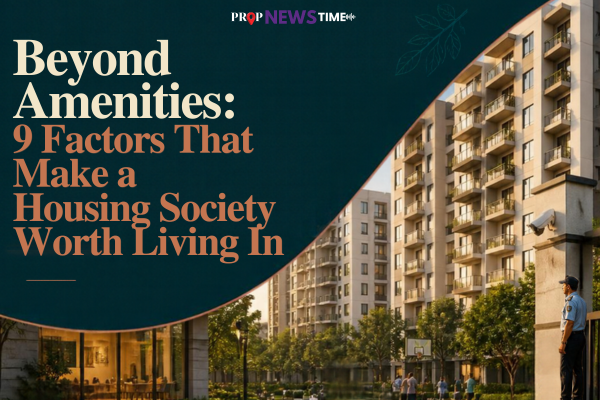
Buying a home is often treated as a decision about location, price, carpet area and connectivity. Yet, once residents move in, the quality of everyday life is shaped by factors that extend well beyond the individual apartment. The condition of common areas, reliability of essential services, behaviour of the management committee and relationship between neighbours can influence the experience of living in a residential community.
In India's urban housing market, gated communities and large residential complexes increasingly compete through amenities such as clubhouses, gyms, swimming pools and landscaped open spaces. While these facilities can add value, their presence alone does not guarantee a comfortable living environment. A society with fewer amenities but dependable maintenance, sound finances and considerate neighbours may offer a better experience than a premium development where basic services are poorly managed.
For homebuyers, tenants and existing residents, the real measure of a housing society lies in how effectively it functions after possession. Here are nine factors that make a residential community a better place to live.
1. Reliable maintenance keeps everyday life running smoothly
Clean corridors, working lifts, functioning lights, maintained plumbing and well-kept common areas are among the most basic requirements of a comfortable housing society. Residents may initially be attracted by a building's design, but the quality of maintenance determines whether the property continues to offer a satisfactory living experience over time.
Preventive maintenance is particularly important in larger complexes, where lifts, pumps, fire-safety systems, electrical equipment and water infrastructure require regular inspection. Small faults can become expensive repairs when they are ignored, while poorly maintained equipment can disrupt daily routines and create safety concerns.
A well-run society follows maintenance schedules, responds promptly to complaints and maintains records of repairs. Residents should also know how to report problems and receive updates on their resolution. Consistent upkeep protects the building's condition and can help preserve its long-term value.
2. Water, electricity and essential services must be dependable
Few things affect residential comfort as quickly as an unreliable water supply, frequent power interruptions or poorly maintained drainage systems. These services may receive little attention during a property visit, but they become central to everyday life once a household moves in.
A good housing society has systems for managing water storage, monitoring consumption, maintaining pumps and addressing leakage. Where municipal supply is supplemented by tankers or other sources, transparent communication about availability and costs becomes particularly important. Backup power arrangements should also be clearly understood, including which services they support.
Residents should examine how the society handles recurring service disruptions rather than relying only on assurances from sales teams. Reliable infrastructure is a stronger indicator of practical liveability than decorative features that are used occasionally.
3. Safety should extend beyond the entrance gate
Security is often associated with guards, CCTV cameras and access-control systems. These measures matter, but a safe residential environment requires more comprehensive planning.
Visitor management, adequate lighting, functioning fire exits, maintained firefighting equipment and clear emergency procedures are equally important. Lifts, parking areas, staircases and children's play zones also require regular safety checks. Residents should know how to contact security staff and report suspicious activity or hazards.
Fire safety deserves particular attention in high-rise developments, where emergency access, evacuation arrangements and the maintenance of fire-protection systems can have serious consequences. Residents should not assume that a building is adequately prepared simply because equipment is installed. A well-managed society combines physical security with emergency preparedness, regular inspections and clear responsibilities for residents, management and service providers.
4. Transparent management builds residents' trust
A housing society's management committee influences decisions about maintenance charges, repairs, vendors, security, renovations and shared facilities. Even well-designed developments can become difficult places to live when these decisions are poorly communicated or handled without accountability.
Transparent management means residents can access relevant financial records, understand how maintenance charges are calculated and receive updates about major expenditure. Meetings should provide opportunities to raise concerns, while complaints should follow a clear process rather than depending on personal relationships with committee members.
In cooperative housing societies, proper procedures and compliance with applicable state laws are particularly important. Residents should also understand the distinction between the responsibilities of the developer, the society's managing committee and the property management agency. Effective governance does not eliminate disagreements. It creates a fair process for resolving them.
5. Shared spaces should be useful, accessible and well maintained
Clubhouses, gardens, gyms, swimming pools and indoor recreation areas can improve the experience of living in a residential complex. However, the value of these amenities depends on their condition, accessibility, operating hours and actual use.
A swimming pool that remains closed for repairs or a gym with poorly maintained equipment offers limited practical value. Similarly, landscaped areas are more useful when residents can comfortably access them rather than simply view them from their balconies.
Well-designed common spaces should cater to different age groups and needs. Seating areas, walking paths, shaded outdoor spaces, children's play areas and places for older residents to socialise can make a development more inclusive.
The strongest amenity offering is not necessarily the longest one. It is the set of facilities that residents can use regularly without excessive restrictions or poorly explained additional charges.
6. A sense of community makes a society feel like home
A housing society is also a social environment. Residents share lifts, corridors, parking areas and recreational facilities, making everyday interactions an important part of residential life. A positive community does not require everyone to become close friends. It requires mutual consideration, respectful communication and a willingness to follow shared rules. Noise management, pet-related arrangements, visitor conduct and the use of common spaces can all influence relationships between neighbours.
Society events, festivals, hobby groups and resident-led initiatives can create opportunities for people to connect, provided participation remains voluntary and inclusive. Digital communication groups can also help residents coordinate deliveries, report issues and share important updates.
A healthy community makes room for different lifestyles, household structures and cultural backgrounds while maintaining reasonable standards of behaviour.
7. Clean surroundings and responsible waste management matter
Clean common areas contribute to comfort, but sanitation also has practical implications for health, pests and the overall condition of a property. A well-managed society provides appropriate waste collection arrangements, maintains garbage rooms and discourages waste from accumulating in corridors or service areas. Where municipal rules require waste segregation, residents and management must work together to follow the prescribed system.
Drainage, pest control, sewage treatment and the upkeep of landscaped areas also need regular attention. Poorly maintained waste facilities can create odour, hygiene and pest problems, particularly during warmer months and the monsoon.
Green features should be supported by responsible resource management. Rainwater harvesting, treated wastewater reuse and water-efficient landscaping can help reduce resource consumption where systems are appropriately designed and maintained.
8. Parking, connectivity and accessibility should match residents' needs
Parking arrangements can become a major source of conflict in housing societies, especially where the number of vehicles grows faster than the available space. Clearly allocated parking, unobstructed access routes and sensible visitor-parking arrangements can prevent disputes and improve safety.
Connectivity matters just as much. Access to public transport, schools, healthcare facilities, grocery shops and everyday services can reduce travel time and make a location more convenient for different households.
Accessibility within the complex also deserves attention. Ramps, suitable pathways, usable lifts, handrails and clear circulation routes can make common spaces easier to navigate for older residents, people with disabilities, parents with prams and people recovering from injuries. A society should be assessed not only on its distance from major roads, but also on whether residents can move around the development and reach essential destinations comfortably.
9. Financial discipline protects the society's long-term value
A housing society can appear well maintained today while facing significant financial problems beneath the surface. Insufficient reserves, delayed payments, unclear accounts or repeated dependence on emergency collections can make future repairs difficult to fund.
Responsible financial management involves realistic budgeting, timely collection of maintenance charges, documented expenditure and appropriate reserves for major repairs and equipment replacement. Residents should understand what recurring charges cover and how exceptional expenses are approved.
Before purchasing a resale apartment, buyers may benefit from asking about pending maintenance dues, major repair requirements, disputes, planned capital expenditure and the condition of common infrastructure. The relevant documents and checks will vary according to the society's legal structure and the transaction.
Financial discipline is not simply about keeping monthly charges low. It is about ensuring that the society can maintain its facilities, meet its obligations and avoid preventable deterioration over time.
A great housing society is built through consistent management rather than amenities alone. Reliable utilities, preventive maintenance, safety, transparent governance, useful shared spaces and respectful community relationships collectively shape how residents experience their homes.
For homebuyers, evaluating these factors before making a decision can reveal issues that a sample flat or sales brochure may not show. For existing residents, participating in society meetings, understanding financial records and reporting maintenance concerns can help improve shared living conditions. Ultimately, the quality of a residential development is measured not only by how it looks on possession day, but also by how well it functions years later. A well-managed housing society protects residents' comfort, supports community life and helps preserve the value of the homes within it.
Sources- Ministry of Housing and Urban Affairs, relevant state cooperative housing society laws and guidelines, Central Pollution Control Board, National Building Code of India and residential property management best practices.

17th Nov, 2026

17th Nov, 2026


17th Nov, 2026




17th Nov, 2026


17th Nov, 2026
Advertisement








 Facebook
 Whatsapp

