Advertisement






The Gulf conflict has disrupted global supply chains, pushed...
REITs have changed the way commercial real estate is owned a...
What really powers the cloud? Behind every Google search, A...
What really powers the cloud? Behind every Google search, A...
Luxury real estate is one of the most talked-about segments ...
Indian Potash Limited (IPL) is promoting water-efficient sugarcane cultivation in Gujarat through drip irrigation, fertigation, balanced nutrient management and scientific farming practices. On July 8, 2026, IPL signed an agreement with Jain Irrigation Systems Limited to support the installation of drip irrigation systems, farmer training and access to credit and subsidies. Separately, a three-year agreement with UPL Sustainable Agri Solutions covers approximately 2,000 acres in the command area of Kodinar Sugar Mill, targeting a minimum 15% increase in sugarcane productivity. IPL is also promoting its ‘10 Ts of Sugarcane Excellence’ and the 6R principles of nutrient management. These initiatives form part of its wider efforts to improve farm incomes and support the revival and modernisation of cooperative sugar mills in Gujarat.
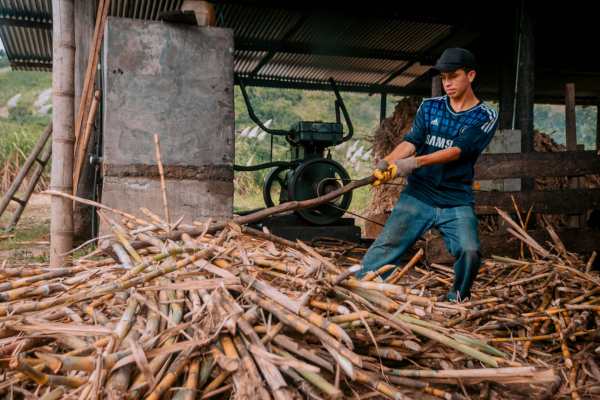
Indian Potash Limited (IPL) is promoting sustainable sugarcane cultivation in Gujarat through water-efficient irrigation, improved nutrient management and scientific crop practices, with initiatives aimed at increasing productivity and farmers’ income. The company is working with irrigation technology provider Jain Irrigation Systems Limited (JISL) and agricultural solutions company UPL Sustainable Agri Solutions to encourage the adoption of modern farming techniques, particularly in the Kodinar region.
On July 8, 2026, IPL and JISL signed an agreement to promote technology-driven sugarcane cultivation in Gujarat. The collaboration covers the survey, design, supply and installation of drip irrigation systems in sugarcane fields. It also includes farmer training and on-field demonstration programmes to familiarise cultivators with micro-irrigation and its application in sugarcane farming.
The two companies will also facilitate farmers’ access to available credit and subsidy facilities to encourage the adoption of drip irrigation. By integrating irrigation infrastructure with training and financial support, the initiative aims to address some of the practical barriers farmers face when adopting water-efficient technologies.
Three-year programme targets higher productivity
IPL has also entered into a three-year agreement with UPL Sustainable Agri Solutions covering approximately 2,000 acres in the command area of Kodinar Sugar Mill in Gujarat. The programme aims to increase sugarcane productivity by at least 15% through scientific farming methods, improved nutrient management, crop protection, soil health measures and digital technologies.
The initiative extends beyond irrigation to cover crop management throughout the cultivation cycle. Its approach includes improving the application of nutrients, maintaining soil health and encouraging the use of technology-based advisory services to support farm-level decisions.
IPL is also promoting the ‘10 Ts of Sugarcane Excellence’, a framework of ten agricultural practices intended to improve crop performance. These include improved tillage, high-yielding varieties, quality seed material, Trichoderma application, timely planting, weed management and appropriate crop care. The practices are intended to support better crop establishment and management.
Alongside this framework, IPL is encouraging farmers to follow the 6R principles of nutrient management: the right source, right rate, right method, right time, right combination and appropriate water management. The approach emphasises efficient fertiliser use and the reduction of avoidable losses, while supporting soil and water conservation.
Drip irrigation and fertigation form part of the strategy
Drip irrigation supplies water directly to the root zone, helping reduce losses associated with less targeted irrigation methods. Fertigation involves delivering water-soluble fertilisers through irrigation water, enabling nutrients to be supplied alongside watering. Used together, the techniques can help farmers manage water and fertiliser application more precisely.
In July 2026, IPL organised a workshop on sustainable sugarcane cultivation for more than 350 farmers in the Kodinar region. The programme covered modern crop management, water-use efficiency and improved cultivation techniques. Experts from Jain Irrigation explained the potential benefits of drip irrigation and practices such as maintaining four-foot row spacing.
According to the company, drip irrigation can potentially reduce water consumption by 40–60% and increase productivity by 20–40% under suitable conditions. These figures represent potential outcomes rather than guaranteed results, as actual performance depends on factors including field conditions, irrigation management and crop practices.
Sugar mill modernisation complements farm initiatives
IPL’s agricultural programmes are linked to its broader efforts to revive and modernise cooperative sugar mills in Kodinar, Talala and Valsad. The proposed revival of these facilities is expected, according to the government, to benefit thousands of farmers in the region.
The company’s approach combines farm-level productivity measures with efforts to strengthen the wider sugarcane value chain. Higher yields and more efficient use of agricultural inputs could support farmers’ returns, while the revival and modernisation of sugar mills could help sustain the sector’s processing capacity.
IPL is positioning water conservation, balanced nutrition, improved crop management and digital advisory services as complementary elements of its sugarcane development strategy. The initiatives are also expected to support the sugar and biofuel sectors by promoting more efficient and sustainable sugarcane production in Gujarat.


14th Nov, 2026

14th Nov, 2026

14th Nov, 2026

13th Nov, 2026


13th Nov, 2026


13th Nov, 2026
Advertisement








 Facebook
 Whatsapp

