Advertisement






The Gulf conflict has disrupted global supply chains, pushed...
REITs have changed the way commercial real estate is owned a...
What really powers the cloud? Behind every Google search, A...
What really powers the cloud? Behind every Google search, A...
Luxury real estate is one of the most talked-about segments ...
Noida Metro Rail Corporation (NMRC) recorded its highest-ever daily ridership of 1,05,358 passengers on October 23, 2026, reflecting increased use of the Aqua Line. The corporation said its initiatives to improve passenger convenience, including QR-code-based ticketing, the National Common Mobility Card and better connectivity through a foot overbridge, have contributed to a 20% rise in average daily ridership. NMRC plans to increase train frequency during peak hours from November 1, reducing the interval between trains from 7 minutes 30 seconds to 6 minutes 35 seconds. It is also considering extending late-night services.
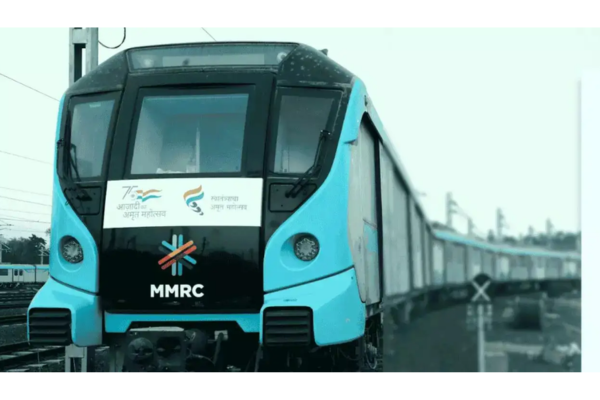
Noida Metro Rail Corporation (NMRC) recorded its highest-ever single-day ridership of 1,05,358 passengers on October 23, 2026, setting a new record for passenger usage on the Aqua Line. In a press release dated October 24, the corporation attributed the milestone to the growing use of metro services and commuter confidence. NMRC has introduced several measures to improve the passenger experience, including QR-code-based ticketing, the National Common Mobility Card (NCMC) and improved connectivity through a foot overbridge (FOB).
According to the corporation, these initiatives have contributed to a 20% increase in average daily ridership. The latest record comes as NMRC prepares to adjust train operations to accommodate passenger demand and improve service frequency during busy periods. From November 1, 2026, NMRC plans to reduce the interval between trains during peak hours from 7 minutes 30 seconds to 6 minutes 35 seconds. The shorter headway is intended to increase service frequency and help accommodate commuters travelling during periods of high demand.
The proposed change will allow trains to run at shorter intervals during peak hours, potentially reducing waiting times for passengers. The operational adjustment forms part of NMRC's efforts to improve service delivery as ridership increases. The corporation is also considering extending late-night metro services. Under the proposal, the last train from Sector 51 towards Depot Station would depart at 11:25 pm. However, NMRC said the proposed timing remains subject to the finalisation of arrangements and operational feasibility. The revised late-night schedule should therefore not be treated as confirmed until the corporation formally announces its implementation.
Alongside service frequency and operating hours, NMRC is consulting relevant stakeholders to improve last-mile connectivity for metro commuters. Better links between stations and surrounding residential and commercial areas can help passengers access the network more conveniently and support wider public transport use. The ridership record highlights the importance of aligning metro operations with changing passenger demand. As more commuters use the Aqua Line, service frequency, ticketing convenience, station access and connections to other transport modes will remain key factors in the passenger experience. NMRC said it remains committed to providing safe, reliable and efficient metro services while encouraging greater use of public transport. The planned peak-hour frequency increase is scheduled to take effect on November 1, while the proposed late-night extension remains under consideration.
Source: NMRC

16th Nov, 2026


16th Nov, 2026


15th Nov, 2026

15th Nov, 2026
13th Nov, 2026

12th Nov, 2026
Advertisement








 Facebook
 Whatsapp

