Advertisement






The Gulf conflict has disrupted global supply chains, pushed...
REITs have changed the way commercial real estate is owned a...
What really powers the cloud? Behind every Google search, A...
What really powers the cloud? Behind every Google search, A...
Luxury real estate is one of the most talked-about segments ...
Gujarat has asked factories to voluntarily reduce electricity consumption during evening peak hours from 5 pm to 11 pm as rising demand and low coal inventories at power plants put pressure on India’s power supply. Uttar Gujarat Vij Company Ltd has sent messages to industries and residents urging them to conserve electricity during the peak period. The state has also sought additional coal and electricity supplies from the Centre and is planning new coal, nuclear and battery storage projects to strengthen future capacity. The request comes as hotter weather, increased irrigation requirements and industrial activity drive consumption higher, while limited battery storage makes it difficult to use solar power generated during the day to meet evening demand.
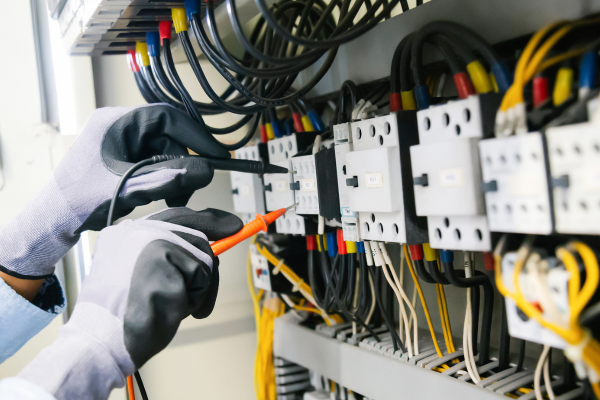
Gujarat has asked factories to voluntarily reduce electricity consumption during evening peak hours as rising power demand and low coal inventories at power plants put pressure on electricity supplies across India. The state has urged industries to shift production away from the 5 pm to 11 pm period to help manage demand and reduce the risk of shortages.
Uttar Gujarat Vij Company Ltd, a state-owned electricity distribution utility, has sent text messages to industries and residents requesting that they conserve electricity during the evening peak period. The appeal comes as Gujarat, one of India’s major industrial centres, faces higher consumption driven by industrial activity, increased irrigation requirements and hotter weather.
The pressure on electricity supplies is part of a wider national challenge. Data from the Central Electricity Authority showed that 96 of India’s 191 coal-fired power plants had critically low coal stocks as of October 19, sufficient for less than three days of generation. The number had increased from 60 plants in mid-September. Total coal inventories at power stations had also declined by around 5% since the beginning of October.
India’s daily peak electricity demand has been running approximately 45 gigawatts to 50 gigawatts above levels recorded a year earlier. In September, the gap between electricity demand and supply reached 560 million kilowatt-hours, the highest level since August 2023. These conditions have increased pressure on power generators and state utilities to secure additional supplies and manage consumption during periods of high demand.
Weather conditions have contributed to the increase. Hotter temperatures associated with the El Niño climate pattern have raised electricity requirements, while weaker rainfall has reduced hydropower generation and increased reliance on thermal power. Higher agricultural irrigation demand and industrial production have added to the pressure. Solar generation can help meet daytime consumption, but limited battery storage capacity restricts the amount of electricity that can be stored for use after sunset, when demand remains high.
Gujarat has sought additional coal and electricity supplies from the central government to manage its requirements. The state is also planning investments in new coal-based and nuclear power projects, alongside battery storage infrastructure, to strengthen supply capacity and improve its ability to manage demand fluctuations.
Gujarat is not the only state seeking additional electricity. Punjab, Madhya Pradesh, Bihar, Kerala, Tamil Nadu and Himachal Pradesh have also sought short-term coal-based power through tenders, according to power ministry data.
The request for factories to shift consumption away from evening peak hours is a demand-management measure intended to ease pressure on the electricity system while additional supplies are arranged. Its effectiveness will depend on industrial participation, the availability of alternative power sources and the duration of the current demand surge. The situation also highlights the importance of improving energy storage and supply flexibility as India’s electricity requirements continue to grow.
Source Reuters


14th Nov, 2026

14th Nov, 2026


14th Nov, 2026

13th Nov, 2026


13th Nov, 2026


13th Nov, 2026
Advertisement








 Facebook
 Whatsapp

