Advertisement






The Gulf conflict has disrupted global supply chains, pushed...
REITs have changed the way commercial real estate is owned a...
What really powers the cloud? Behind every Google search, A...
What really powers the cloud? Behind every Google search, A...
Luxury real estate is one of the most talked-about segments ...
The Trump administration has approached the US Supreme Court to resume construction of border barriers in the Big Bend region of West Texas, including areas around Big Bend National Park. The request challenges a federal judge's order halting the work during a lawsuit over environmental and conservation law waivers issued by the Department of Homeland Security. The legal challenge was filed by an environmental organisation, a local river guide and a historic church preservation group. The dispute centres on the administration's authority to bypass legal requirements to accelerate border security construction.
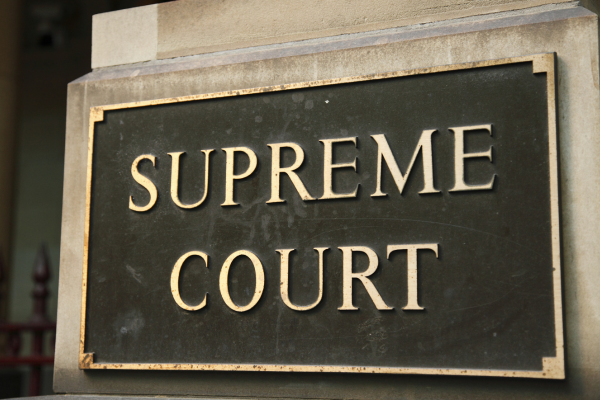
The Trump administration has asked the US Supreme Court to allow construction of a border barrier along the US-Mexico border in a remote part of West Texas that includes Big Bend National Park. The US Justice Department filed an emergency request seeking to pause or overturn a federal judge’s order that halted construction while a legal challenge against the project continues.
The proposed barrier is part of President Donald Trump’s wider border security and immigration policies. The plan has faced opposition from environmental groups, local officials, conservationists and some Texas Republicans over its potential impact on the national park’s landscape and wildlife.
The legal challenge was filed by the Center for Biological Diversity, a river guide working in the Big Bend area and a group seeking to preserve a historic church in Ruidosa, Texas. The plaintiffs argued that the border construction could damage the church's fragile adobe structure and harm the region's natural environment.
The case challenges waivers issued by the US Department of Homeland Security to speed up the construction of border roads and barriers by setting aside several environmental and conservation requirements. Former Homeland Security Secretary Kristi Noem and current Secretary Markwayne Mullin issued the waivers between February and July, describing the region as an area with high levels of illegal entry that required additional border barriers.
US District Judge Kathleen Cardone, based in El Paso, issued an injunction on October 2, stopping construction while the lawsuit proceeds. In a subsequent opinion, she found that the waivers had exceeded the authority of the two officials. The order requires the administration to comply with applicable laws before construction can proceed.
In its emergency application, the Justice Department argued that Congress had authorised the Homeland Security secretary to build border barriers and waive legal requirements to speed up construction. It asked the Supreme Court to suspend or overturn Cardone's injunction.
Construction in the Big Bend region had already been paused in August following criticism from both Republicans and Democrats over the possible effects on the park's landscape and wildlife. Contractors had begun clearing land for access roads and border security infrastructure, triggering protests and legal action.
The planned infrastructure extends beyond conventional border fencing. According to reporting by Marfa Public Radio, the government's plans include steel barriers on private property, while patrol roads, vehicle barriers and other security infrastructure are planned for park areas. The government has also argued that the construction stoppage is costing more than USD 460,000 a day.
The Supreme Court's response will determine whether the administration can resume the work while the broader legal dispute continues. Until the injunction is lifted or otherwise changed, the construction restrictions remain in effect.
The case raises questions about the balance between border security measures and the protection of environmentally sensitive and historically significant areas. The outcome could also clarify the extent of the Department of Homeland Security's authority to waive existing legal requirements for infrastructure projects. For local communities and conservation groups, the decision will affect how construction plans are assessed and what protections apply to the region. The immediate issue is whether work can resume before the underlying legal challenge is resolved.
Source Reuters
Advertisement








 Facebook
 Whatsapp

