Advertisement






The Gulf conflict has disrupted global supply chains, pushed...
REITs have changed the way commercial real estate is owned a...
What really powers the cloud? Behind every Google search, A...
What really powers the cloud? Behind every Google search, A...
Luxury real estate is one of the most talked-about segments ...
AdaniConneX plans to use air-based cooling technology at its proposed data centre campuses in Visakhapatnam to reduce freshwater consumption across three sites to less than the volume of an Olympic-sized swimming pool. The facilities, being developed in partnership with Google, form part of a planned data centre development with a capacity of around 1 gigawatt. The project will incorporate on-site water recycling, dedicated industrial water connections and a zero-discharge policy for domestic wastewater, amid concerns over the impact of large-scale digital infrastructure on local water resources.
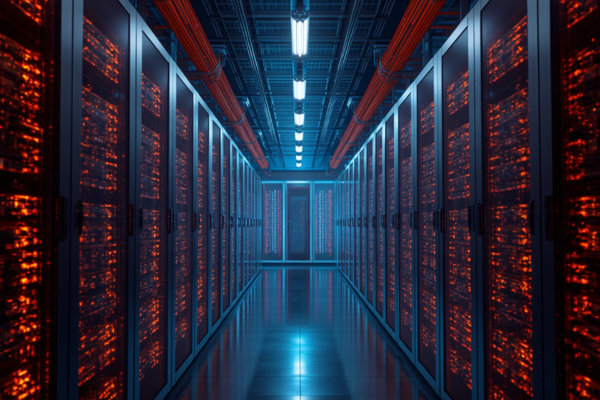
AdaniConneX plans to limit freshwater consumption at its upcoming data centre campuses in Visakhapatnam by adopting air-based cooling technology instead of conventional water-intensive cooling systems. The facilities, being developed in partnership with Google, are expected to consume less freshwater across three sites than the volume of an Olympic-sized swimming pool, according to project details.
The proposed campuses at Mudasarlova and Tarluvada form part of a data centre development with a planned capacity of around 1 gigawatt (GW). The project comes as Andhra Pradesh seeks to establish Visakhapatnam as a major destination for artificial intelligence (AI) computing and digital infrastructure.
Unlike conventional data centres that rely on evaporative cooling systems and cooling towers, the planned facilities will use air-cooled systems. This approach is intended to eliminate the need for water-based evaporative cooling, which typically requires substantial water consumption to dissipate heat generated by computing equipment.
Despite the adoption of air cooling, the campuses will require limited freshwater for other operations. Around 80 per cent of the freshwater used across the three sites is expected to go towards landscaping, kitchens and worker facilities. The water will be recycled and reused on-site, according to sources familiar with the project.
The facilities will also receive water through dedicated industrial connections rather than municipal supply lines. The arrangement is intended to prevent the campuses from competing with households for drinking water and reduce pressure on the city's existing water distribution network.
Another component of the water management plan is a zero-discharge policy for domestic wastewater. The wastewater will be treated at an on-site sewage treatment plant and reused for landscape irrigation and toilet flushing. No treated wastewater is expected to be discharged into the Mudasarlova Reservoir, according to the sources.
The proposed measures are intended to limit the development's impact on local water resources, including the reservoir, which supplies drinking water to Visakhapatnam, and the adjoining Kambalakonda Wildlife Sanctuary.
The project has drawn attention to the water requirements of large data centre developments as companies expand computing capacity to support cloud services and AI workloads. Such facilities require substantial cooling infrastructure, making water-efficient technology and recycling important considerations, particularly in areas where freshwater availability is a concern.
Environmental activists have raised questions about the proposed data centre hub's proximity to the reservoir and the wildlife sanctuary, as well as the adequacy of environmental assessments and disclosure of operational water requirements. The state government has defended the project, while the planned campuses are expected to contribute to Visakhapatnam's emergence as a digital infrastructure hub.
AdaniConneX, a joint venture between Adani Enterprises and US-based EdgeConneX, is developing a network of hyperscale data centres to meet India's growing demand for cloud computing, AI and digital services.
Source: PTI

17th Nov, 2026

17th Nov, 2026


17th Nov, 2026




17th Nov, 2026


17th Nov, 2026
Advertisement








 Facebook
 Whatsapp

