Advertisement






The Gulf conflict has disrupted global supply chains, pushed...
REITs have changed the way commercial real estate is owned a...
What really powers the cloud? Behind every Google search, A...
What really powers the cloud? Behind every Google search, A...
Luxury real estate is one of the most talked-about segments ...
The Reserve Bank of India (RBI) injected INR 1 lakh crore into the banking system through a seven-day variable rate repo auction on Monday, attracting bids worth more than INR 1.5 lakh crore. The central bank's first liquidity infusion in over three months came as overnight borrowing costs remained close to the upper limit of its monetary policy corridor. Banking system liquidity surplus had declined to INR 2 lakh crore, or 0.7% of deposits, as of October 16. The operation also came ahead of significant goods and services tax outflows.
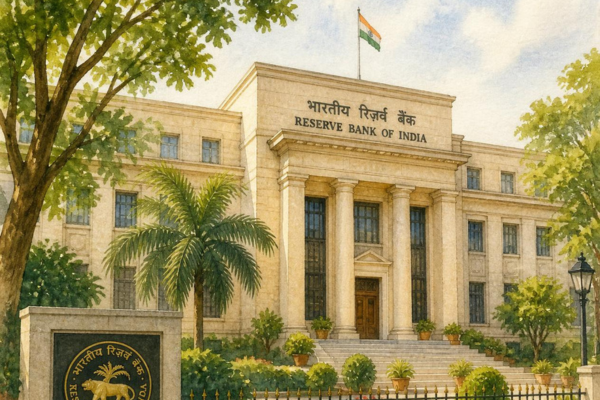
The Reserve Bank of India's (RBI) first liquidity infusion in more than three months attracted strong demand from banks on Monday, as overnight borrowing rates remained close to the upper limit of the central bank's monetary policy corridor.
The RBI infused INR 1 lakh crore through a seven-day variable rate repo operation, with banks submitting bids worth more than INR 1.5 lakh crore. The operation came ahead of a large tax outflow expected to affect banking system liquidity.
For several months, the central bank had been absorbing surplus liquidity from the banking system. The surplus had reached a record high following substantial inflows from deposits mobilised from Indians living abroad to support the rupee amid depreciation pressure. However, prolonged excess liquidity can add to inflationary pressures and push up asset prices.
Short-term interbank borrowing costs have risen sharply in recent weeks after the RBI increased interest rates for the first time in nearly four years earlier this month and indicated the possibility of further tightening in response to rising inflation.
Sakshi Gupta, an economist at HDFC Bank, said the liquidity infusion reflected volatility in liquidity conditions. She added that as the surplus had returned to more normal levels, the RBI could resume fine-tuning its liquidity operations. She also indicated that further long-term liquidity absorption measures, such as open market bond sales or foreign exchange sell-buy swaps, might not be necessary.
The weighted average interbank call money rate closed above the Marginal Standing Facility (MSF) rate for the first time in the current financial year on Friday and remained close to that level on Monday.
The RBI's repo rate stood at 5.50%, while the MSF rate, which acts as the upper end of the monetary policy corridor, was at 5.75%.
Banking system liquidity surplus had fallen below INR 2 lakh crore to around 0.7% of deposits as of October 16. This was the first time in two-and-a-half months that the surplus had declined to this level.
A private bank trader said the Monday operation was likely prompted by substantial goods and services tax (GST) outflows expected ahead of Tuesday's market holiday. The outflows were expected to withdraw funds from the banking system, making the RBI's liquidity support timely.
The RBI's latest operation reflects a shift from absorbing excess funds towards supplying liquidity when short-term funding conditions tighten. The central bank will need to balance banks' immediate funding requirements against its efforts to manage inflation and maintain monetary policy transmission. The movement in overnight rates, the scale of government tax-related outflows and the level of surplus liquidity will remain important indicators of whether further liquidity operations are required. The need for additional intervention will depend on how banking system conditions evolve in the coming days.
Source Reuters

17th Nov, 2026

17th Nov, 2026


17th Nov, 2026




17th Nov, 2026


17th Nov, 2026
Advertisement








 Facebook
 Whatsapp

