Advertisement






The Gulf conflict has disrupted global supply chains, pushed...
REITs have changed the way commercial real estate is owned a...
What really powers the cloud? Behind every Google search, A...
What really powers the cloud? Behind every Google search, A...
Luxury real estate is one of the most talked-about segments ...
The Panvel Municipal Corporation (PMC) has approved a INR 287.55-crore proposal to launch its first dedicated municipal bus service, with 100 to 130 buses planned across 16 routes in the initial phase. The proposed network includes 68 bus stops, five depots, 76 charging stations and an intelligent transport management system. The service aims to improve connectivity between residential areas, railway stations and 29 villages. The corporation will now pursue the necessary approvals and implementation process, with the full rollout expected to take time.
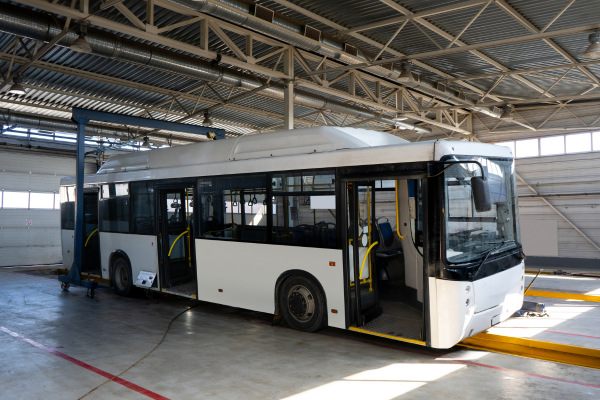
The Panvel Municipal Corporation (PMC) has approved a INR 287.55-crore plan to launch its first dedicated municipal bus service, aiming to improve public transport connectivity across the rapidly expanding civic area.
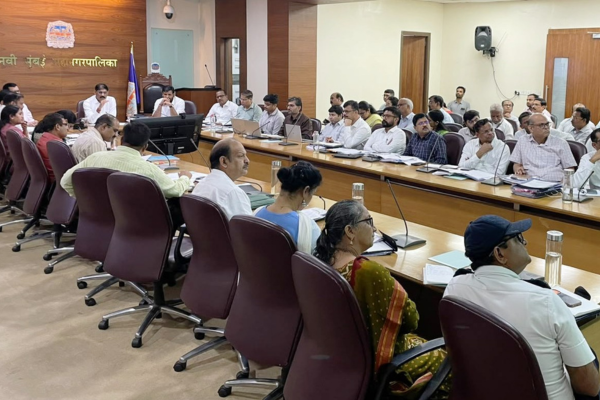
The proposal was unanimously cleared at a special general body meeting on October 15, chaired by Mayor Nitin Patil. The first phase envisages operating 100 to 130 buses across 16 routes, supported by 68 bus stops, five depots, 76 charging stations and an intelligent transport management system.
The planned network will connect old Panvel, residential nodes developed by the City and Industrial Development Corporation (CIDCO), railway stations and 29 villages, including areas with limited public transport access. The initiative follows a feasibility study that found existing services operated by Navi Mumbai Municipal Transport (NMMT) and Brihanmumbai Electric Supply and Transport (BEST) inadequate to meet the area's growing requirements.
The estimated project expenditure includes INR 150 crore for procuring 100 buses, INR 8.15 crore for 68 bus stops, INR 30 crore for depots, INR 8.4 crore for 76 charging stations and INR 86 crore for the intelligent transport management system. A mobile application is also proposed to help passengers access service-related information.
Urban Mass Transit Company Limited (UMTC) has been appointed to prepare the detailed project report and implementation framework. The consultancy contract is valued at INR 3.17 crore and has a stipulated duration of 545 days. The civic body will complete the administrative process and pursue the necessary government approvals before proceeding with implementation.
The project is intended to provide residents with affordable and reliable public transport, while improving access to railway stations and neighbourhoods that are currently underserved. The administration is also exploring whether electricity from a proposed waste-to-energy project being developed with CIDCO could be used to charge electric buses, potentially lowering operating costs.
During the meeting, corporators raised suggestions about the proposed fleet and the time needed to introduce the service. Congress corporator Latif Sheikh proposed considering gas-powered buses alongside electric vehicles and smaller buses suitable for narrow roads. Shiv Sena corporator Sayali Sark suggested exploring double-decker buses for busy commuter routes and tourist destinations.
Municipal commissioner Mangesh Chitale said rural areas account for around 6% to 8% of the corporation's geographical area but accommodate approximately 12% to 15% of its population. The consultant will be asked to consider changes, including smaller buses, to improve access across the jurisdiction.
Opposition leader Arvind Mhatre said the full service could take two to three years to become operational and proposed hiring 20 buses through private operators as an interim measure. Other corporators called for a dedicated committee to oversee implementation and ensure affordable fares, regular timetables and railway station connectivity.
The proposal marks a significant step towards establishing an independent municipal transport network, but the service's rollout will depend on further planning, approvals and infrastructure development.
15th Nov, 2026

10th Nov, 2026


7th Nov, 2026

4th Nov, 2026

Advertisement








 Facebook
 Whatsapp

