Advertisement






The Gulf conflict has disrupted global supply chains, pushed...
REITs have changed the way commercial real estate is owned a...
What really powers the cloud? Behind every Google search, A...
What really powers the cloud? Behind every Google search, A...
Luxury real estate is one of the most talked-about segments ...
The government has asked Microsoft to consider locating its future data centres closer to power generation facilities instead of cable landing stations, saying this could reduce infrastructure costs for both the company and India. The suggestion came as Microsoft launched its fourth India cloud region in Hyderabad, adding to its presence in Pune, Chennai and Mumbai. The new region is part of the company’s USD 20.5 billion commitment to India’s digital and AI infrastructure. The government also highlighted India’s growing data volumes, digital infrastructure and policy environment as factors supporting further data centre development.
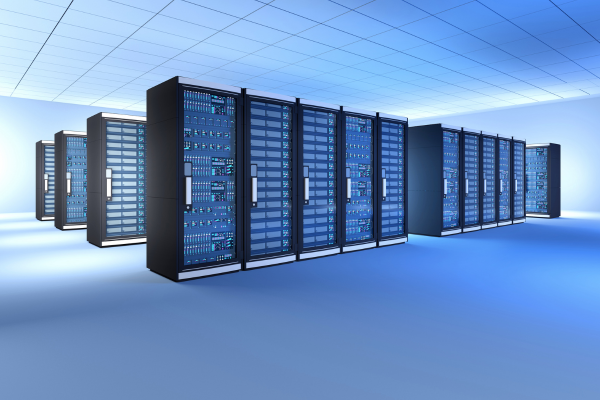
The government has asked Microsoft to consider setting up its future data centres closer to power generation sources rather than near cable landing stations, as this could make infrastructure development more economical for the company as well as the country.
Speaking at the launch of Microsoft’s fourth India cloud region in Hyderabad on Monday, Electronics and IT Secretary S Krishnan said data centres could be built more economically closer to where power is generated. He pointed to coastal cable landing hubs such as Chennai, where data centres are often located because of connectivity infrastructure.
Krishnan said the government would continue to facilitate faster approvals for data centre projects to meet the requirements of both India and the global market.
Microsoft formally launched its fourth India cloud region in Hyderabad on Monday as part of its USD 20.5 billion investment commitment towards the country’s digital and AI infrastructure.
The India South Central region, which became generally available on August 6, is now part of Microsoft’s India cloud infrastructure network alongside its existing regions in Pune, Chennai and Mumbai.
The Hyderabad region is expected to add to the country’s cloud computing capacity as demand for digital services and AI applications continues to grow. Microsoft’s expansion also comes as India is seeing increased interest in data centres, driven by cloud adoption, digital public infrastructure and the growing use of AI.
Krishnan said the launch would strengthen India’s data centre and AI infrastructure. He also highlighted the need for India to have access to advanced global technologies while developing its own sovereign computing capacity.
He pointed to India’s population of around 1.4 billion people and its expanding digital public infrastructure as major sources of data. According to him, the volume of data generated in the country could support the development of AI applications and give India the potential to become a major global base for such applications.
The secretary also highlighted the policy environment for data centre development in India. He said the country’s tax policies and ease of doing business, along with provisions under the new telecom law that allow easier interconnection of facilities, have made it relatively simpler to build data centres and connect them to the power grid compared with many other countries.
For data centre operators, the location of facilities has become increasingly important as electricity demand rises with cloud computing and AI workloads. Power availability, grid connectivity and network infrastructure all influence the cost and speed of developing such facilities. The government’s suggestion to consider locations closer to generation sources therefore adds another factor to the way future data centre projects could be planned.
Microsoft’s four-region presence also reflects the company’s expanding cloud infrastructure in India, with Hyderabad now joining Pune, Chennai and Mumbai. The latest expansion comes as the company continues to position its investments around cloud services, AI and broader digital infrastructure in the country.
Source PTI

17th Nov, 2026

17th Nov, 2026


17th Nov, 2026




17th Nov, 2026


17th Nov, 2026
Advertisement








 Facebook
 Whatsapp

