Advertisement






The Gulf conflict has disrupted global supply chains, pushed...
REITs have changed the way commercial real estate is owned a...
What really powers the cloud? Behind every Google search, A...
What really powers the cloud? Behind every Google search, A...
Luxury real estate is one of the most talked-about segments ...
The Department for Promotion of Industry and Internal Trade (DPIIT) is working with the Asian Development Bank (ADB) to develop grading and rating standards for warehouses and cold chains, a senior official said. The department is also preparing guidelines for multi-modal logistics parks (MMLPs) and working with states on logistics policies and city logistics plans. The proposed plans would cover warehouses, dark stores and cold-chain facilities in and around cities. Officials said better standards and planning could support investment, improve access to affordable credit, reduce food wastage and strengthen supply chains.
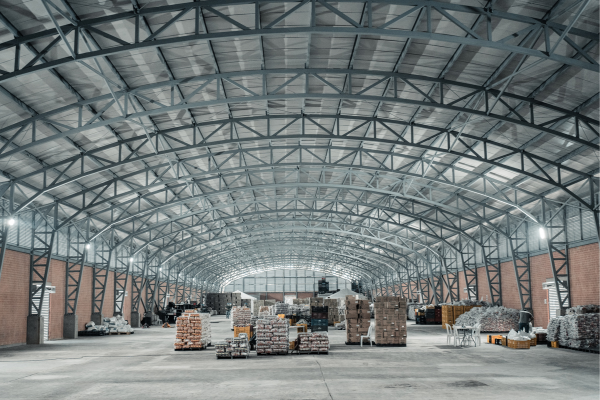
The Department for Promotion of Industry and Internal Trade (DPIIT) is working with the Asian Development Bank (ADB) to develop grading and rating standards for warehouses and cold chains, a senior official said.
DPIIT Joint Secretary Pankaj Kumar said the department is also working on guidelines for multi-modal logistics parks (MMLPs). The initiatives are aimed at improving the logistics sector, supporting foreign investment and making it easier for businesses to access affordable credit.
Speaking at the FICCI Logistics, Warehousing and Cold Chain Summit 2026, Kumar said the proposed warehouse and cold-chain standards would provide a benchmark for the sector. He also said the MMLP guidelines could include measures to create greater value from warehouses and cold-chain facilities.
The department is working with state governments to include warehouses and cold chains in their state logistics policies. It is also working on city logistics plans that would look at how logistics infrastructure should be planned within and around cities.
According to Kumar, these plans would cover warehouses, dark stores and cold-chain facilities and examine how they can be better integrated into urban logistics networks.
He said warehouses and cold chains are important parts of logistics infrastructure and play a key role in maintaining resilient supply chains. He pointed to the impact of supply-chain disruptions as well as the risks posed by natural hazards, crises and disasters in different parts of India.
Kumar said stronger and better-planned logistics services can help businesses and communities respond to such disruptions. He also called for greater innovation in warehousing and cold-chain infrastructure to improve the resilience of the country's supply chain.
Cold chains and warehouses are major components of MMLPs and account for nearly 70 per cent of their area, according to the official.
Suryansh Jalan, Chief Business Officer at FarEye, said investment in MMLPs can reduce the amount of time goods spend waiting in transit and, in turn, reduce the amount of working capital tied up in logistics.
He said the effectiveness of MMLPs would depend on how smoothly freight moves between roads, railways, ports and final delivery points. Shared shipment data, coordinated scheduling and reliable last-mile delivery would also be important for improving the movement of goods.
Jalan said greater predictability in freight movement could allow businesses to maintain lower buffer inventories and make more reliable delivery commitments. He said the impact of logistics infrastructure should be assessed through factors such as time saved, lower cost per shipment and timely deliveries.
The proposed standards and planning frameworks could give states and logistics operators a more structured approach to developing warehousing and cold-chain infrastructure. Their impact will depend on how the standards are implemented and how well different modes of transport and logistics facilities are connected. With warehouses and cold chains forming a large part of MMLPs, their integration into state and city-level logistics planning could also influence how efficiently goods move through urban and regional supply chains.

17th Nov, 2026

17th Nov, 2026


17th Nov, 2026




17th Nov, 2026


17th Nov, 2026
Advertisement








 Facebook
 Whatsapp

