Advertisement






The Gulf conflict has disrupted global supply chains, pushed...
REITs have changed the way commercial real estate is owned a...
What really powers the cloud? Behind every Google search, A...
What really powers the cloud? Behind every Google search, A...
Luxury real estate is one of the most talked-about segments ...
The Tiruchirappalli City Corporation has identified 302 properties as bulk waste generators (BWGs), including 49 apartment complexes, following a survey conducted to assess large waste-generating establishments. Under the Solid Waste Management Rules, 2026, these properties will be required to manage and process their solid waste independently. The civic body will initially sensitise the identified properties and demonstrate suitable waste-management methods. While the deadline for ending municipal waste collection from BWGs has not yet been fixed, the corporation is working on identifying agencies that can provide waste-processing services to properties that lack the resources to manage waste on their own.
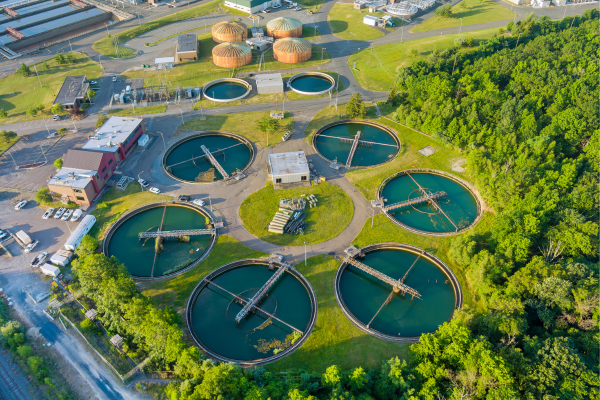
The Trichy corporation has classified 302 properties, including 49 apartments, as bulk waste generators (BWGs) and asked them to take steps to process their solid waste independently. The identification followed a survey conducted last month to determine properties falling under the BWG category.
The Solid Waste Management Rules, 2026 classify a property as a bulk waste generator if it generates more than 100 kg of waste a day, has a floor area of 20,000 square metres or more, or consumes at least 40,000 litres of water a day. Based on these criteria, the corporation identified 105 wedding halls, 49 apartments, and 42 hotels and lodges among the BWGs.
The civic body has not yet fixed a deadline for stopping waste collection from these properties. It plans to educate all 302 BWGs in phases and demonstrate methods for sustainable waste processing. Properties that do not have the resources to recycle wet waste may be connected with agencies that can undertake scientific waste processing for a fee.
The survey also identified around 48 other properties, including temples, hospitals and fruit juice stalls, along with 14 government buildings and seven markets as BWGs. Waste collection from government properties will continue, but these establishments will be required to segregate waste at source.
The corporation is considering different solutions depending on the type of property. Large campuses such as colleges may be encouraged to set up composting facilities, while hotels and restaurants could consider portable biogas plants. Apartments, however, may face greater difficulty in setting up on-site facilities because of limited space.
A meeting involving all 302 identified BWGs is expected to be held to establish a timeline for streamlining waste collection and processing. The corporation is also in the process of identifying agencies that can collectively provide waste-management services to BWGs for a fee.

17th Nov, 2026

17th Nov, 2026


17th Nov, 2026




17th Nov, 2026


17th Nov, 2026
Advertisement








 Facebook
 Whatsapp

