Advertisement






The Gulf conflict has disrupted global supply chains, pushed...
REITs have changed the way commercial real estate is owned a...
What really powers the cloud? Behind every Google search, A...
What really powers the cloud? Behind every Google search, A...
Luxury real estate is one of the most talked-about segments ...
India’s growing manufacturing ecosystem is supporting increased demand for industrial and manufacturing real estate across both Tier-I and Tier-II cities, according to Mukesh Choudhary, Managing Director, Accuspace. The country’s large domestic market, competitive talent pool, improving infrastructure and policy support for domestic production are strengthening its position as a manufacturing destination. Supply-chain diversification is also encouraging companies to evaluate India for long-term manufacturing investments. Choudhary noted that manufacturing leasing has recorded a 49% CAGR since 2021, reflecting companies’ increasing focus on establishing dedicated manufacturing facilities. Location decisions are being influenced by factors including land costs, availability of skilled talent, connectivity and the degree of operational control that companies can achieve. The trend indicates growing consideration of both established metropolitan markets and emerging Tier-II locations for manufacturing operations.
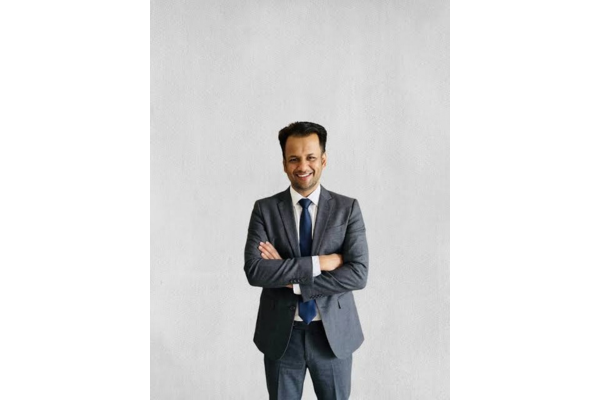
India’s expanding manufacturing ecosystem is driving greater demand for industrial and manufacturing real estate across Tier-I and Tier-II cities, as companies increasingly assess the country for long-term production and supply-chain investments, according to Mukesh Choudhary, Managing Director, Accuspace.
India’s large domestic consumer market, competitive talent base, improving infrastructure and government policies supporting domestic production are contributing to its emergence as a global manufacturing destination. Companies seeking to diversify their supply chains are increasingly evaluating India as a location that can offer scale alongside a developing network of manufacturing, logistics and industrial infrastructure.
The growth in manufacturing leasing reflects this changing investment landscape. Choudhary said manufacturing leasing had recorded a 49% compound annual growth rate since 2021, indicating increased activity from companies establishing or expanding manufacturing operations in India.
Manufacturers are evaluating locations based on a combination of operational and real estate considerations. Land prices remain an important factor, particularly when companies require larger sites for production facilities and associated infrastructure. At the same time, access to an appropriate talent pool, connectivity and supporting industrial infrastructure are influencing decisions on where manufacturing units should be established.
The expansion is not limited to major metropolitan markets. Companies are also assessing Tier-II cities as potential manufacturing locations, where land availability and costs can be considered alongside access to labour and improving regional connectivity. The choice between established Tier-I markets and emerging Tier-II centres depends on the specific operational requirements and long-term plans of individual businesses.
For occupiers, establishing dedicated manufacturing facilities can provide greater control over operations and enable companies to align physical infrastructure with production requirements. These considerations are increasingly being weighed against factors such as land costs and the availability of skilled personnel when companies assess potential locations.
The combination of supply-chain diversification, policy support, infrastructure development and domestic demand is therefore contributing to a broader expansion of India’s manufacturing footprint. The resulting requirement for production facilities is supporting manufacturing leasing activity and increasing the relevance of industrial real estate across a wider range of Indian markets.

17th Nov, 2026

17th Nov, 2026


17th Nov, 2026




17th Nov, 2026


17th Nov, 2026
Advertisement








 Facebook
 Whatsapp

