Advertisement






The Gulf conflict has disrupted global supply chains, pushed...
REITs have changed the way commercial real estate is owned a...
What really powers the cloud? Behind every Google search, A...
What really powers the cloud? Behind every Google search, A...
Luxury real estate is one of the most talked-about segments ...
The Municipal Corporation of Delhi (MCD) has identified 8,791 bulk waste generators (BWGs) across the city and is increasing inspections, notices and stakeholder meetings to improve compliance with the Solid Waste Management Rules, 2026. Of the identified units, 4,043 had registered on the Central Pollution Control Board (CPCB) portal by late August, leaving 4,748 yet to register. Hotels and restaurants form the largest category, followed by residential societies, educational institutions and health facilities. The rules also introduce Extended Bulk Waste Generator Responsibility, requiring eligible establishments to process wet waste on-site where feasible or obtain the prescribed certificate.
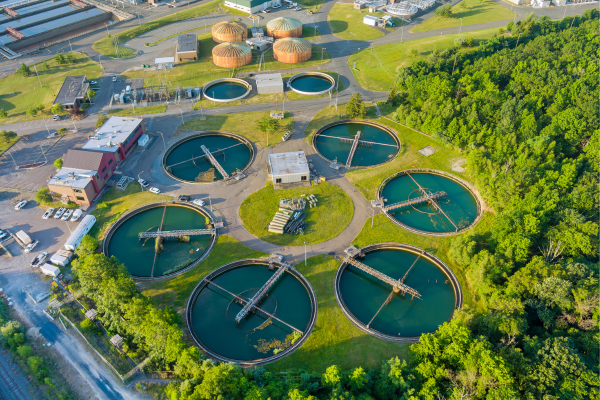
The Municipal Corporation of Delhi has intensified monitoring of bulk waste generators across the capital after identifying 8,791 establishments and premises covered under the Solid Waste Management Rules, 2026. The civic body is using notices, inspections and meetings with stakeholders to push these units towards registration and compliance.
As of August 28, 4,043 of the identified bulk waste generators had registered on the Central Pollution Control Board portal, while 4,748 remained unregistered. Under the new rules, premises with a built-up area of more than 20,000 square metres, water consumption above 40,000 litres per day or waste generation of more than 100 kg per day can fall under the bulk waste generator category. Such generators account for nearly 30% of Delhi's total solid waste.
The largest group among the identified generators comprises hotels and restaurants, with 3,712 units. South East Delhi has the highest number in this category at 985, followed by the West zone with 613 and the South zone with 483. Resident welfare associations, gated communities and group housing societies together account for another 1,592 bulk waste generators.
The list also includes 1,087 educational institutions and 695 health institutes. Karol Bagh has the highest number of identified educational institutions at 226, while the West zone has the largest number of health facilities at 299. Among the zones, West has 1,278 identified BWGs, South has 1,112 and Karol Bagh has 1,099.
The number of establishments identified by the MCD has risen steadily in recent months, from 3,891 in mid-May to 5,676 by mid-July and 8,462 in early August, before reaching 8,791 by the end of August.
The Solid Waste Management Rules, 2026 have also introduced Extended Bulk Waste Generator Responsibility (EBWGR). Under this provision, bulk waste generators are responsible for managing the waste they produce. They are required to process wet waste on their premises as far as possible. Where on-site processing is not feasible, they must obtain an EBWGR certificate as prescribed under the rules.
To improve compliance, the MCD had issued 10,212 advisories and notices by August 28, compared with 3,346 by July 13. The civic body had also conducted 4,276 stakeholder meetings. The South zone issued the highest number of notices at 1,790, followed by South East with 1,424 and West with 1,302. North East recorded the lowest number at 220.
The scale of the exercise is linked to Delhi's overall waste generation. The city produces an estimated 13,500 tonnes of garbage each day. Shahdara North generates around 1,500 tonnes per day, the highest among the zones, followed by Shahdara South at 1,400 tonnes. Central and West each generate about 1,300 tonnes daily, while the South zone generates around 1,200 tonnes.
Waste from different zones is routed to designated landfill and waste-to-energy facilities. Shahdara North and South are linked to the Ghazipur sanitary landfill and waste-to-energy facilities, while Central and West send waste to the Tehkhand and Okhla waste-to-energy plants. Waste from Karol Bagh, City-SP and Narela is linked to the Bhalswa sanitary landfill.
The MCD's ongoing identification and registration drive is aimed at bringing more large waste-generating premises under a defined responsibility framework, rather than leaving their waste entirely within the municipal collection system. The effectiveness of the exercise will depend on how consistently the identified establishments register, segregate and process waste at source.
Source PTI

17th Nov, 2026

17th Nov, 2026
17th Nov, 2026


16th Nov, 2026


16th Nov, 2026

16th Nov, 2026
16th Nov, 2026
Advertisement








 Facebook
 Whatsapp

