Advertisement






The Gulf conflict has disrupted global supply chains, pushed...
REITs have changed the way commercial real estate is owned a...
What really powers the cloud? Behind every Google search, A...
What really powers the cloud? Behind every Google search, A...
Luxury real estate is one of the most talked-about segments ...
The Belagavi City Corporation (BCC) has launched a crackdown on property tax evasion, initiating a remeasurement drive aimed at correcting under-assessed properties across the city, as officials grapple with a widening gap between the number of registered properties and actual tax compliance. Nearly 40 per cent of Belagavi's more than 1.66 lakh registered properties are currently in default, with the civic body having collected only around INR 70.8 crore against its targeted revenue for the year. BCC has separately sought a INR 250 crore special grant from the Karnataka government to help bridge its wider infrastructure funding gap.
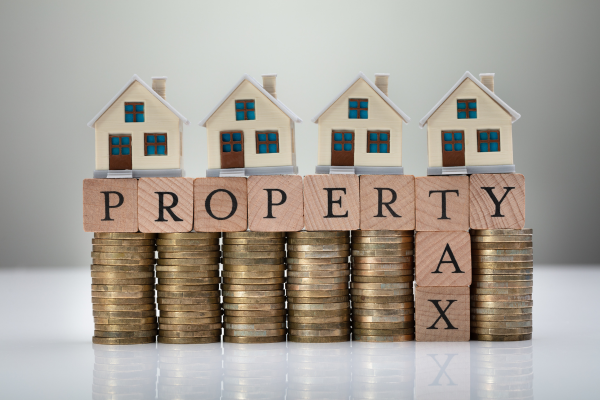
The Belagavi City Corporation (BCC) has begun a crackdown on property tax evasion across the city, initiating a remeasurement drive intended to identify and correct properties that have been under-assessed, as officials work to close a widening gap between the city's growing number of registered properties and its actual tax compliance levels.
The move comes against the backdrop of a significant shortfall in the civic body's property tax collections. According to BCC records, out of around 1.66 lakh registered properties in the city, tax payments were received from only about 95,829 properties in the last financial year, leaving nearly 40 per cent of property owners as defaulters. The corporation's total collection for the period stood at approximately INR 70.8 crore, only marginally higher than the previous year's figures and well below the target set for the financial year.
Officials have attributed the shortfall to a combination of weak compliance, incomplete or outdated property records, and gaps in enforcement mechanisms that have allowed a substantial number of properties to remain either unassessed or under-assessed relative to their actual built-up area and usage. The remeasurement exercise is intended to address this gap directly, by physically verifying property dimensions and usage on the ground and updating assessment records accordingly, a step officials expect will help bring more properties into the correct tax bracket and improve overall collection efficiency.
BCC administers property tax under the Self-Assessment Scheme, using the Annual Rental Value method as the basis for residential property assessment. The civic body has, in recent months, also sought a special grant of INR 250 crore from the Karnataka government to help bridge its broader infrastructure funding gap, reflecting the extent to which the city's rapid growth has outpaced its tax revenue base. A state government-commissioned study had earlier estimated BCC's property tax collection potential at approximately INR 55 crore per annum, roughly double what the corporation had been collecting in preceding years, underscoring the scale of the compliance gap officials are now seeking to close.
The default pattern in Belagavi has not been confined to any single category of property, with officials noting that defaults span residential, commercial, educational and even some institutional properties across the city. Pending arrears from multiple existing defaulters have added further pressure on the corporation's recovery efforts, compounding the shortfall arising from unassessed and under-assessed properties.
The renewed enforcement push in Belagavi mirrors similar tax-compliance drives undertaken by other urban local bodies across Karnataka in recent years, including large-scale remeasurement and assessment exercises in cities such as Bengaluru, where civic authorities have similarly sought to expand their tax base and improve collection efficiency through more rigorous, ground-verified property assessments rather than relying solely on self-declared records.
For Belagavi, strengthening property tax collection is expected to be central to funding the city's continued civic development and infrastructure expansion, particularly as the corporation looks to reduce its reliance on state government grants and build a more self-sustaining revenue base going forward.
The report did not specify the total number of properties targeted under the current remeasurement drive, the timeline for its completion, or the specific enforcement measures planned against property owners found to have under-declared their holdings.


28th Oct, 2026

13th Oct, 2026

26th May, 2026


12th Dec, 2025

14th Oct, 2025


Advertisement








 Facebook
 Whatsapp

