Advertisement






The Gulf conflict has disrupted global supply chains, pushed...
REITs have changed the way commercial real estate is owned a...
What really powers the cloud? Behind every Google search, A...
What really powers the cloud? Behind every Google search, A...
Luxury real estate is one of the most talked-about segments ...
Gurugram’s construction and demolition (C&D) waste management system is facing another capacity gap after the approval for processing 1,200 tonnes of debris per day at the Basai plant expired on Monday. The city generates more than 1,500 tonnes of C&D waste daily, while the private operator has indicated that it will restrict processing to the plant’s earlier sanctioned capacity of 300 tonnes per day without fresh written approval from the Haryana government. The Municipal Corporation of Gurugram (MCG), however, has asked the operator to continue at 1,200 tonnes per day while it awaits approval for a proposed 1,500 TPD capacity. The dispute has raised concerns over further accumulation of debris on roadsides, vacant plots and unauthorised dumping locations.
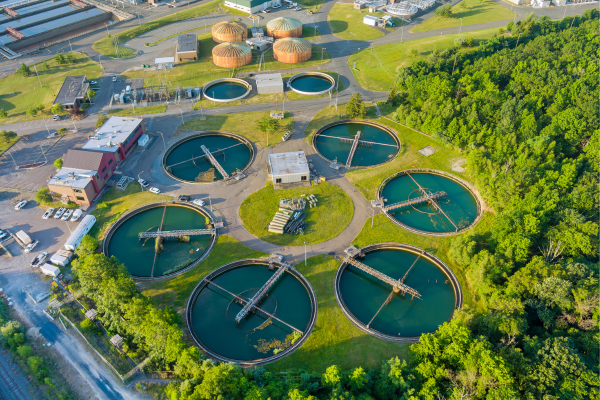
Gurugram’s construction and demolition (C&D) waste management has come under fresh pressure after the approval for processing 1,200 tonnes of debris per day at the Basai facility expired on Monday, with the municipal corporation and the private operator taking different positions on whether the expanded capacity can continue without a fresh state government sanction. The impasse comes as the city generates more than 1,500 tonnes of C&D waste every day, leaving a substantial potential gap between daily generation and authorised processing capacity.
The Basai plant was earlier operating at 300 tonnes per day before the Haryana government approved an increase to 1,200 TPD in August 2025. At the time, the MCG had said the expanded facility could help address the city’s waste burden, with estimates putting daily C&D generation at around 1,500–2,000 tonnes. The civic body had also proposed increasing the plant’s collection radius from 15 km to 30 km and establishing another 400 TPD facility at Begumpur Khatola.
With the enhanced-capacity approval now having lapsed, the private agency operating the Basai facility has said it will continue collecting and processing only 300 TPD until the Haryana government issues formal written approval for the higher capacity. The operator has rejected the MCG’s position that it can continue at 1,200 TPD on the basis of post-facto approval.
MCG Commissioner Pradeep Dahiya said the corporation had already sent a proposal to the Urban Local Bodies department seeking approval for a 1,500 TPD C&D waste processing capacity. He also indicated that the civic body would ask the agency to continue operating at the enhanced capacity while awaiting post-facto approval.
The operator, however, has raised concerns over payments for earlier work. Its representative said the company had processed 1,200 TPD of C&D waste during FY 2022–23 but had not received payment for that volume. The company therefore did not want to process 1,200 TPD solely on the basis of post-facto approval, citing uncertainty over whether payments would subsequently be released.
The capacity dispute has implications for the disposal of waste generated from building construction, demolition, road works and renovation activity. If processing falls to 300 TPD against daily generation exceeding 1,500 tonnes, the resulting shortfall could exceed 1,200 tonnes a day. Environmental concerns have also been raised over the possibility of debris being left on roadsides, vacant plots and other unauthorised locations.
The latest development follows earlier disputes over the Basai facility’s acceptance of waste from private generators. In August, the MCG had directed the concessionaire to resume accepting C&D waste from builders, contractors, developers and residents, warning that continued refusal could lead to penalties, recovery of costs or termination of the contract. The agency had disputed the allegations and referred to different rates applicable to transported, segregated and unsegregated waste.
The city’s C&D waste management challenge is therefore linked not only to processing capacity but also to regulatory approvals, payment issues and collection arrangements. Until the proposed higher capacity receives formal sanction and the dispute with the operator is resolved, Gurugram could face a growing backlog of construction debris.


17th Nov, 2026

16th Nov, 2026



16th Nov, 2026



15th Nov, 2026

Advertisement








 Facebook
 Whatsapp

