Advertisement






The Gulf conflict has disrupted global supply chains, pushed...
REITs have changed the way commercial real estate is owned a...
What really powers the cloud? Behind every Google search, A...
What really powers the cloud? Behind every Google search, A...
Luxury real estate is one of the most talked-about segments ...
The Greater Visakhapatnam Municipal Corporation (GVMC) has received administrative approval for an INR 400 crore programme to upgrade roads and related infrastructure across the city. Around 205 km of existing gravel and Water Bound Macadam roads in high- and medium-density areas will be converted into bituminous or cement concrete roads, with end-to-end pavements and supporting infrastructure also planned. GVMC and the Visakhapatnam Metropolitan Region Development Authority will each provide INR 200 crore for the programme. Works will be prioritised across all 10 reorganised GVMC zones following field surveys, need assessments and preparation of detailed estimates.
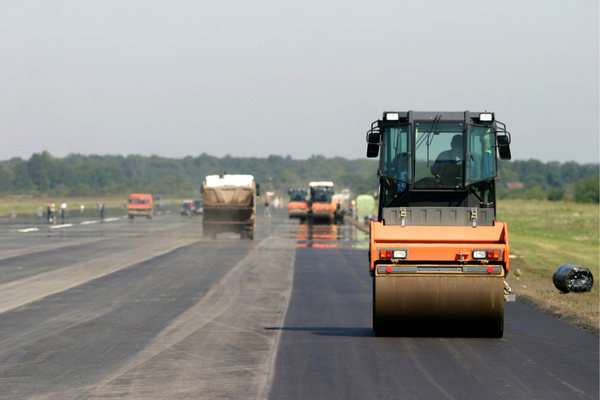
The Greater Visakhapatnam Municipal Corporation has secured administrative approval for a major road infrastructure programme aimed at improving road quality and associated civic infrastructure across Visakhapatnam.
The INR 400 crore programme will focus on upgrading around 205 km of existing gravel and Water Bound Macadam roads located in high- and medium-density areas within the GVMC limits. These roads will be converted into bituminous or cement concrete surfaces, with end-to-end pavements and other supporting infrastructure included in the development plan.
The scale of the programme is intended to address infrastructure gaps in several parts of the expanding city, particularly areas where roads originally serving lower levels of traffic are now carrying increased urban movement. Peripheral areas that were previously village settlements have increasingly become integrated into the city's urban network, creating greater demand for stronger roads and supporting infrastructure.
Funding for the programme will be shared equally between GVMC and the Visakhapatnam Metropolitan Region Development Authority. Each agency will contribute INR 200 crore from its own funds, taking the total planned investment to INR 400 crore.
VMRDA will transfer its allocated share to GVMC, which will execute the works under the Deposit Contribution Works mode. This arrangement places implementation responsibility with the municipal corporation while bringing together funding from the two urban development agencies.
The development programme will be implemented across all 10 reorganised GVMC zones. Authorities have indicated that high-density areas and locations where infrastructure improvements are considered most necessary will receive priority.
The works will extend beyond resurfacing roads. The programme will also cover central medians, central lighting and drainage infrastructure, allowing multiple elements of the road environment to be upgraded together rather than treating the carriageway separately.
Before construction begins, GVMC will conduct field surveys and assess local infrastructure requirements. Detailed estimates will then be prepared for individual works, with the final action plan to be determined according to local conditions, priorities and the availability of funds.
For a city undergoing continued expansion, the programme represents a significant investment in upgrading existing infrastructure rather than relying solely on new road construction. The focus on converting older gravel and Water Bound Macadam roads into more durable surfaces could help improve the reliability of the city's local road network.
The effectiveness of the programme will ultimately depend on the outcome of the surveys, prioritisation of projects and timely execution across the 10 zones. With the administrative sanction now in place, GVMC is expected to move towards detailed planning and commencement of the road and allied infrastructure works.


17th Nov, 2026
16th Nov, 2026
16th Nov, 2026
15th Nov, 2026


14th Nov, 2026

14th Nov, 2026
Advertisement








 Facebook
 Whatsapp

