Advertisement






The Gulf conflict has disrupted global supply chains, pushed...
REITs have changed the way commercial real estate is owned a...
What really powers the cloud? Behind every Google search, A...
What really powers the cloud? Behind every Google search, A...
Luxury real estate is one of the most talked-about segments ...
India’s manufacturing sector continued to expand in August but lost momentum, with the HSBC India Manufacturing Purchasing Managers’ Index falling to 52.8 from 53.5 in July. The reading marked the weakest improvement in factory activity in five years, as softer demand slowed the growth of new orders and output. Factory employment also declined marginally for the first time in 30 months. At the same time, input cost pressures eased, with input price inflation falling to a six-month low and output price inflation reaching its weakest level in 45 months. Business confidence improved slightly, although overall sentiment remained subdued.
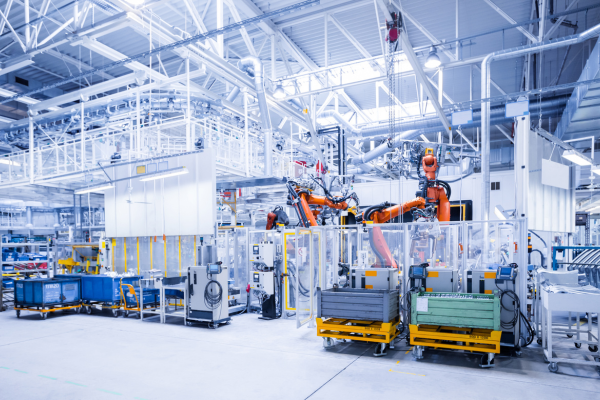
India’s manufacturing sector recorded a sharper slowdown in August as weaker demand affected new orders and production, although factory activity remained in expansion territory. The HSBC India Manufacturing Purchasing Managers’ Index, compiled by S&P Global, fell to 52.8 in August from 53.5 in July. The reading was also below the preliminary estimate of 52.9 and represented the weakest improvement in manufacturing conditions in five years.
A PMI reading above 50 indicates expansion, while a reading below 50 points to contraction. Despite the decline in the index, the sector continued to expand during August, but the pace of improvement moderated considerably compared with previous months. The slowdown was largely linked to softer demand conditions. New orders continued to increase but recorded their weakest growth since August 2021, with companies reporting more difficult market conditions and reduced demand for some products. The moderation in orders also affected production, with output continuing to rise but at its slowest pace in five years.
The weaker business environment was reflected in factory employment as well. Manufacturing headcount declined marginally during August, marking the first fall in employment in 30 months. Companies that reduced staffing levels cited lower business requirements amid the slowdown in demand. The performance of export orders provided some support to the sector. International orders continued to grow during the month, although the pace of expansion eased compared with July. Demand from several overseas markets continued to contribute to new business, partly offsetting weaker conditions in other areas.
One of the more positive developments during August was the easing of cost pressures. Input price inflation fell to a six-month low, reducing pressure on manufacturers' operating costs. Companies responded by limiting increases in selling prices, resulting in output price inflation slowing to its weakest level in 45 months. The moderation in input and output prices could provide some relief to manufacturers, particularly those facing weaker sales growth. However, sustained softness in demand could continue to affect production decisions, hiring and investment plans if the trend persists.
Business expectations improved slightly during the month. Around 16% of companies surveyed expected output to increase over the following 12 months, helping business confidence reach its highest level since May. Nevertheless, overall sentiment remained subdued compared with historical levels. The manufacturing slowdown comes despite India's broader economic expansion remaining relatively strong. The economy grew 7.8% year-on-year in the April-June quarter, supported by investment activity and manufacturing growth. However, expectations of slower growth in the current quarter indicate that the moderation in factory activity will be closely watched.
The August PMI data therefore presents a mixed picture. Manufacturing remains firmly in expansion territory, while easing input costs and improving business expectations offer some support. At the same time, weaker domestic demand, slower order growth and the first employment decline in more than two years indicate that manufacturers are facing a less favourable operating environment. The coming months will determine whether the August slowdown is temporary or marks a broader moderation in India's industrial growth momentum.

17th Nov, 2026

17th Nov, 2026


17th Nov, 2026




17th Nov, 2026


17th Nov, 2026
Advertisement








 Facebook
 Whatsapp

