Advertisement






The Gulf conflict has disrupted global supply chains, pushed...
REITs have changed the way commercial real estate is owned a...
What really powers the cloud? Behind every Google search, A...
What really powers the cloud? Behind every Google search, A...
Luxury real estate is one of the most talked-about segments ...
Road conditions in Ghaziabad’s Shalimar Garden have deteriorated sharply following heavy rainfall, with more than 100 potholes reported across main roads, internal streets and service lanes. The damaged surfaces have created difficulties for motorists, two-wheeler riders and pedestrians, while residents say the condition of several stretches has increased the risk of accidents. Waterlogging and poor drainage have further worsened the situation by allowing potholes to expand and making damaged portions harder to identify. The deteriorating roads have renewed demands for urgent repairs and better maintenance in the locality.
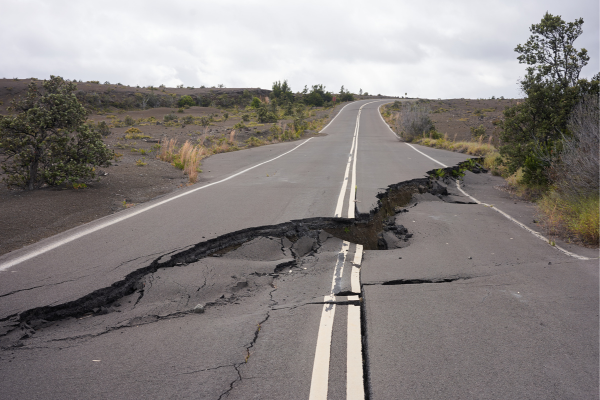
Several roads in Shalimar Garden have developed extensive potholes following heavy rainfall, creating serious difficulties for residents and commuters. The damage has been reported across main roads as well as internal streets and service lanes, leaving several stretches difficult to navigate.
More than 100 potholes have emerged across the locality, according to residents, with some damaged sections becoming particularly hazardous for two-wheeler riders. Uneven surfaces, loose patches and water-filled potholes can make it difficult for motorists to judge road conditions, particularly during periods of poor visibility.
The deterioration has also affected pedestrian movement. People walking along the roads have been forced to navigate around damaged portions and accumulated water, while vehicles attempting to avoid potholes can create additional risks for pedestrians and other road users.
Rainfall has played a significant role in worsening the condition of the roads. Water entering existing cracks and weak portions of the pavement can accelerate surface deterioration, while standing water can conceal potholes and make them more difficult for drivers to spot in time.
Poor drainage can further increase the damage. When rainwater remains on the road instead of being quickly discharged, repeated exposure can weaken the pavement and cause potholes to expand. Addressing the problem therefore requires not only filling damaged portions but also examining the drainage arrangements along affected stretches.
For two-wheeler users, the situation presents a particular safety concern. Sudden encounters with deep potholes or uneven surfaces can lead to loss of balance, especially when riders attempt to avoid obstacles or encounter damaged sections at speed. Wet roads can further reduce traction and increase the consequences of such incidents.
The poor condition of internal roads is also affecting everyday mobility for residents. People travelling to workplaces, schools, markets and nearby public transport facilities have to negotiate damaged stretches, while auto-rickshaws, delivery vehicles and other local traffic face similar difficulties.
Residents have raised concerns over the need for timely intervention from the authorities. Temporary filling of potholes may provide short-term relief, but recurring damage could continue if underlying drainage and pavement problems are not addressed through more durable repairs.
The condition of Shalimar Garden's roads also highlights the broader challenge of maintaining urban infrastructure during the monsoon. Roads that appear serviceable before the rainy season can deteriorate rapidly when existing cracks, drainage deficiencies and weak pavement sections are exposed to sustained rainfall.
A coordinated repair programme could help restore mobility in the affected areas. This would require identifying the most severely damaged stretches, removing unstable pavement where necessary, repairing the base and resurfacing the road rather than relying solely on repeated surface-level patchwork.
With more than 100 potholes reported across different parts of Shalimar Garden, the scale of deterioration has made road safety an immediate concern. Prompt repairs, improved drainage and regular post-monsoon inspections could help prevent further deterioration and reduce risks for commuters.
The situation underscores the importance of treating road maintenance as an ongoing infrastructure requirement rather than a response limited to visible damage. For residents of Shalimar Garden, restoring the roads will be essential not only for smoother travel but also for improving safety across the locality.
16th Nov, 2026


16th Nov, 2026

12th Nov, 2026

11th Nov, 2026

11th Nov, 2026

11th Nov, 2026
10th Nov, 2026
5th Nov, 2026

Advertisement








 Facebook
 Whatsapp

