Advertisement






The Gulf conflict has disrupted global supply chains, pushed...
REITs have changed the way commercial real estate is owned a...
What really powers the cloud? Behind every Google search, A...
What really powers the cloud? Behind every Google search, A...
Luxury real estate is one of the most talked-about segments ...
Central Railway has begun testing Vetiver grass as a nature-based solution to stabilise vulnerable hillslopes in the Mumbai-Pune ghat section, following landslides that disrupted train operations for nearly 20 days after heavy monsoon rains on 6 July. The pilot covers 5,300 square metres across the Khandala-Monkey Hill and Thakurwadi-Palasdhari stretches in the South-East Ghat section. Officials said the grass's deep, dense root system is expected to bind soil, reduce surface runoff and help prevent shallow slope failures, complementing conventional engineering measures used to protect the rail corridor.
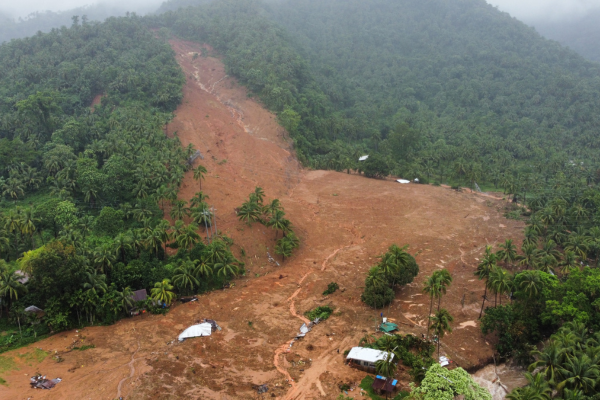
Central Railway has begun testing Vetiver grass as a nature-based intervention to stabilise vulnerable slopes in the Mumbai-Pune ghat section, following a series of landslides that disrupted train operations along the route during heavy monsoon rainfall on 6 July.
The disruptions began with a major landslide near Thakurwadi at around 2 am on 6 July, which affected all three railway lines in the Karjat-Lonavala ghat section. A second landslide near Monkey Hill, at around 3.05 am the same day, further disrupted the Mumbai-Pune route, leading to train cancellations, diversions and regulation of services, with restoration work continuing for nearly 20 days. Later that morning, a landslide accompanied by a fallen tree near Khandala came into contact with overhead electric wires, triggering sparking and a tree fire, compounding the disruption to the corridor.
Against this backdrop, Central Railway has undertaken Vetiver grass plantation across a total of 5,300 square metres in the South-East Ghat section, as part of efforts to reduce the recurrence of such slope failures. The pilot covers 1,050 square metres near the Khandala-Monkey Hill section and a further 4,250 square metres between Thakurwadi Cabin and Palasdhari, two stretches identified as particularly vulnerable during the monsoon.
Vetiver grass is known for its deep and dense root system, which can extend several metres into the soil. Railway officials said this root structure is expected to bind soil particles together, reduce surface runoff during heavy rainfall, and help prevent shallow slope failures of the kind that affected the corridor in July. The approach is being positioned as a nature-based, bioengineering solution intended to complement, rather than replace, conventional engineering measures such as retaining walls, slope netting and drainage channels already deployed along the ghat section.
The Mumbai-Pune ghat section, spanning the Karjat-Lonavala stretch through the Western Ghats, is one of Indian Railways' most landslide-prone corridors, given its steep gradients, heavy monsoon rainfall and geologically sensitive terrain. The route has faced recurring disruptions from landslides and slope failures in previous monsoon seasons, prompting the railway to explore a range of mitigation measures over the years.
Railway officials said they hope the Vetiver grass pilot will help reduce monsoon-related risks to train operations along the corridor, though the intervention is currently being tested on a limited scale rather than deployed corridor-wide. The success of the pilot at the two identified stretches is likely to inform whether the approach is expanded to other vulnerable sections of the ghat in subsequent phases.
The report did not specify a timeline for evaluating the pilot's effectiveness, nor did it detail the total cost of the Vetiver grass plantation initiative or whether further stretches of the Mumbai-Pune ghat section have been identified for similar treatment in the future.

20th Jul, 2023

Advertisement








 Facebook
 Whatsapp

