Advertisement






The Gulf conflict has disrupted global supply chains, pushed...
REITs have changed the way commercial real estate is owned a...
What really powers the cloud? Behind every Google search, A...
What really powers the cloud? Behind every Google search, A...
Luxury real estate is one of the most talked-about segments ...
Integrated townships that combine housing with retail, recreation, open spaces, offices and essential social infrastructure could help reduce the need for frequent cross-city travel, according to Dr Rakesh Setia, CEO, Runwal Enterprises. The approach is gaining relevance in Mumbai and the wider MMR as development expands towards emerging locations such as Dombivli. Setia said connectivity improvements alone would not address commuting pressures unless communities were also planned around residents’ everyday needs. Projects such as Runwal Garden City in Dombivli and Runwal City Centre in Kanjurmarg illustrate this model through combinations of residential development, green spaces and commercial or social infrastructure. The approach could also support shorter journeys, potentially lowering private-vehicle use, fuel consumption, congestion and emissions while encouraging more walkable neighbourhoods. Public transport and road connectivity would remain important for linking such communities to employment centres and the wider metropolitan region.
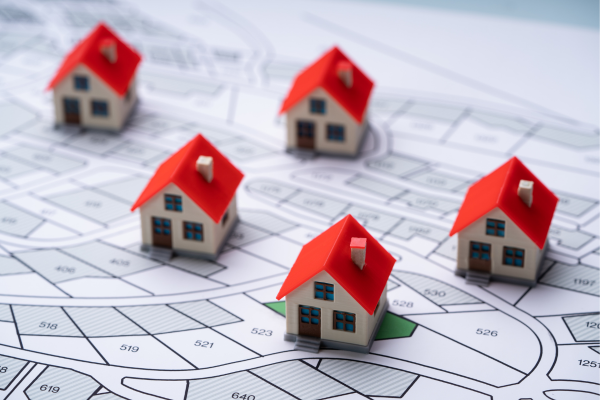
Integrated townships that bring housing, retail, recreation, open spaces, offices and essential social infrastructure into a single larger community can reduce residents’ dependence on long-distance daily travel, according to Dr Rakesh Setia, CEO, Runwal Enterprises. The approach is becoming increasingly relevant in Mumbai and the wider MMR as urban development extends towards emerging locations, including Dombivli, where improving road and metro connectivity is supporting regional growth.
Setia said the challenge facing expanding cities was no longer limited to improving transport links between residential areas and employment centres. Communities also needed to be planned so that residents could access more of their routine requirements closer to home. Integrated townships follow this model by combining residential clusters with amenities and services within a broader development rather than treating housing as an isolated project.
Runwal Garden City in Dombivli was cited as an example of this approach. Planned as a larger residential ecosystem, the development combines homes with extensive green open spaces, recreational facilities and everyday conveniences. Different residential clusters within the wider township cater to different target segments, demonstrating how individual developments can form part of a larger community rather than operate as standalone projects.
A similar model is being followed at Runwal City Centre in Kanjurmarg, where residential clusters are being developed alongside retail arcades, proposed offices and a large central park. According to Setia, bringing these uses together can improve residents’ access to daily requirements while reducing the number of journeys that need to be made outside the neighbourhood.
A typical weekday illustrates the potential impact. If schools, a hypermarket, fitness facilities, restaurants, gardens and office space are located within a five-minute walk of homes, residents would have fewer reasons to use cars or undertake longer journeys. While an individual shortened trip may have a limited effect, the cumulative impact across thousands of households could be significant.
The planning model also has an environmental dimension. Fewer and shorter private-vehicle journeys can reduce fuel consumption, congestion and emissions. Walkable neighbourhoods and shared community spaces can additionally encourage residents to spend more time within their immediate surroundings.
However, Setia said integrated townships should not operate as isolated communities. Strong links with the wider city would remain necessary, particularly through metro corridors, improved roads and public transport, allowing residents to reach employment hubs and other parts of the MMR without relying entirely on private vehicles.
This approach could also change how residential locations are assessed. Instead of focusing only on proximity to a business district or railway station, homebuyers are increasingly considering what facilities and services are available around their homes and how much time their families spend travelling.
As Indian cities expand, Setia said urban development would need to move beyond simply adding housing on the edges of existing centres. Integrated townships could form part of a planning approach that places homes, workplaces, services and everyday needs closer together while maintaining connectivity with the wider urban network.

17th Nov, 2026

17th Nov, 2026


17th Nov, 2026




17th Nov, 2026


17th Nov, 2026
Advertisement








 Facebook
 Whatsapp

