Advertisement






Apple India has leased an 8,000 sq. ft. retail space at the upcoming Phoenix Mall of Asia in North Bengaluru, with an annual rental of INR 2.09 crore over a 10-year term. The deal includes a 15% rent escalation every three years and a revenue-sharing clause starting at 2%, rising to 3%. The Hebbal-based mall, developed by Phoenix Mills Ltd and Canada Pension Plan Investment Board, offers Apple a prime retail platform in Bengaluru, complementing its recent store launches in Mumbai and Delhi. The move aligns with Apple's strategy to deepen its direct presence in India, as Foxconn nears completion of a major iPhone manufacturing facility at Devanahalli, set to produce 20 million units annually. Together, these developments highlight Apple's integrated retail-manufacturing approach in India, supporting the government's PLI-driven electronics manufacturing ecosystem and tapping into the country's fast-growing smartphone market.
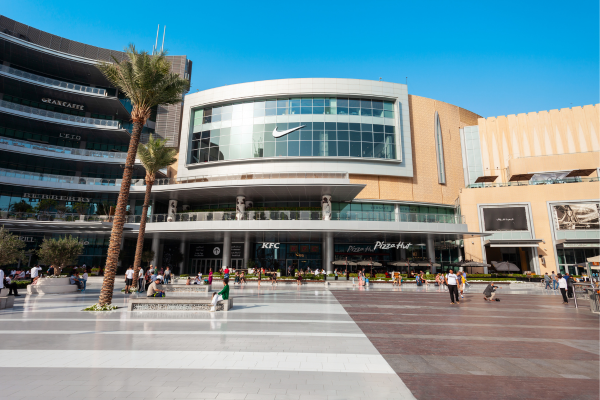
Apple India has taken a significant step towards expanding its retail presence by negotiating a lease for a large 8,000 square foot space at Phoenix Mall of Asia in North Bengaluru. The agreement, formalised for a 10-year tenure, carries an annual rental value of INR 2.09 crore. The lease was officially signed earlier in the financial year, while rental obligations are scheduled to commence in the coming months. Advertisement


The rental arrangement is structured with a triennial escalation clause, increasing the rent and the security deposit by 15% every three years. The lease deal also features a revenue-sharing component, under which Apple is expected to share 2% of its revenue from the outlet for the initial 36 months. This component is set to escalate to 2.5% in the subsequent 36-month period and will peak at 3% thereafter.
The retail space leased by Apple sits within one of Bengaluru's largest upcoming malls, a property developed by Phoenix Mills Ltd in collaboration with Canada Pension Plan Investment Board. The mall, strategically located in Hebbal, North Bengaluru, is expected to draw substantial foot traffic, offering Apple a high-visibility retail platform in one of India's fastest-growing tech hubs.
This development follows Apple's recent launches of physical stores in Mumbai and Delhi. These store openings marked the tech giant's first direct retail foray into India, a market where it previously relied heavily on third-party distributors and online channels. The Bengaluru lease underscores the company's ambitions to deepen its direct engagement with Indian consumers.
Coinciding with this retail expansion is the nearing completion of a large-scale Foxconn facility in the region. Foxconn, Apple's long-standing manufacturing partner, is finalising a massive manufacturing unit at Devanahalli, close to Bengaluru's international airport. Once operational, the plant is expected to produce around 20 million iPhones annually and create nearly 50,000 employment opportunities.
Foxconn's upcoming facility is a result of the Indian government's Production Linked Incentive (PLI) scheme, which aims to bolster domestic electronics manufacturing and attract global players like Apple. The synergy between Apple's expanding retail presence and Foxconn's growing manufacturing capabilities points to a broader strategy to localise operations and cater more effectively to the Indian market.
Notably, the lease agreement also provides Apple with the right to renew the contract for two additional five-year terms. Furthermore, the tech giant retains the flexibility to terminate the lease after the fifth year, providing operational agility in a dynamic retail environment.
The concurrent development of the Foxconn manufacturing facility in the same region reflects a calibrated effort to integrate local production with direct consumer engagement. This approach not only enhances Apple's brand presence in one of the world's fastest-growing smartphone markets but also positions it to better manage costs, logistics, and regulatory requirements. As India continues to emerge as a key player in the global electronics landscape, Apple's dual thrust on retail and manufacturing appears both timely and transformative.

5th Jun, 2025

25th May, 2023

11th May, 2023

27th Apr, 2023
Advertisement





 Facebook
 Whatsapp