Advertisement






Construction of the 508 km Mumbai–Ahmedabad bullet train corridor marked another step forward with the installation of a 130 metre steel bridge span near Bharuch in Gujarat. The bridge, part of a 230 metre continuous structure over National Highway 64 and the Bharuch–Dahej freight line, was completed in a carefully coordinated 12 hour operation that maintained road and freight traffic flow. Designed for a 100 year lifespan, the project continues to progress across viaducts, track bed construction, noise barriers, tunnels, and station development toward operational readiness.
Construction on the Mumbai–Ahmedabad bullet train project has advanced with the successful installation of a 130 metre steel bridge span near Bharuch in Gujarat. The National High Speed Rail Corporation Ltd (NHSRCL) said the span is part of a 230 metre continuous steel bridge over National Highway 64 and the Bharuch–Dahej freight line. The bridge stands about 18 metres high, nearly 15 metres wide, and weighs around 2,780 metric tonnes. Its installation took roughly 12 hours with careful planning to minimise disruption to road users and freight traffic. Advertisement


The steel components were fabricated in Bhuj and assembled on temporary supports about 14 metres above ground before being moved into position using specialised jacking systems. Around 1,22,146 high strength Tor Shear bolts, protective coatings, and metallic bearings were used to ensure durability and a design life of 100 years. The installation included brief blocks on freight tracks and traffic diversions to maintain safety and minimise delays.
Work on the corridor continues beyond this bridge. Viaduct construction has been completed over more than 330 km, and pier work has advanced along 408 km. To address noise concerns, over 4.7 lakh noise barriers have been installed across 235 km. Reinforced concrete track bed construction has been finished for approximately 260 km, and electrification work with overhead masts is ongoing. Tunnel excavation in hilly terrain and underground work in the Mumbai area are also progressing. Stations and maintenance depots in Gujarat and Maharashtra are in various stages of construction.
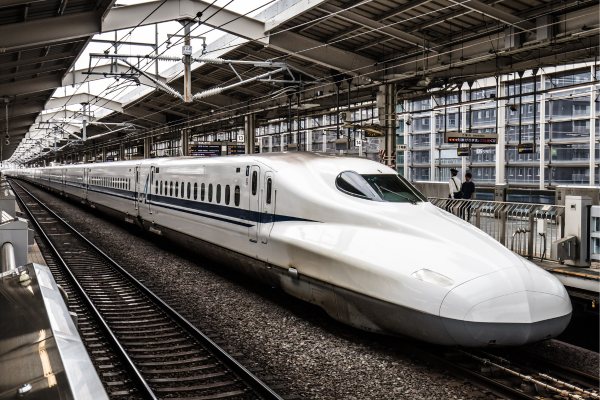
The project uses Japanese Shinkansen technology. NHSRCL continues to coordinate construction activities with local authorities and contractors, allowing major structural work to proceed while keeping existing transport networks operational. Future tasks include bridge completions, track laying, system testing, and station fit-outs as the corridor moves closer to service readiness.
Earlier this month, Prime Minister Narendra Modi reviewed construction at the Surat station and suggested documenting field experiences to improve efficiency and support future high-speed rail projects.
Authorities noted that civil works are moving steadily toward completing superstructures, installing systems, and preparing for future operational trials.

5th Jun, 2025

25th May, 2023

11th May, 2023

27th Apr, 2023
Advertisement





 Facebook
 Whatsapp