Advertisement






The Indian Railways has projected that e-ticketing will make up 89 % of all reserved bookings in FY26, continuing the steady digital shift seen over the last decade. The share stood at 86 % in FY25 and 81 % in FY23, while in 2014-15 it was 54 %. The railways said its systems handled record booking loads in March and that mobile apps accounted for more than half of all e-tickets in FY25. Recent measures include the launch of the RailOne app and the ongoing upgrade of the Passenger Reservation System, expected to finish by December 2025.
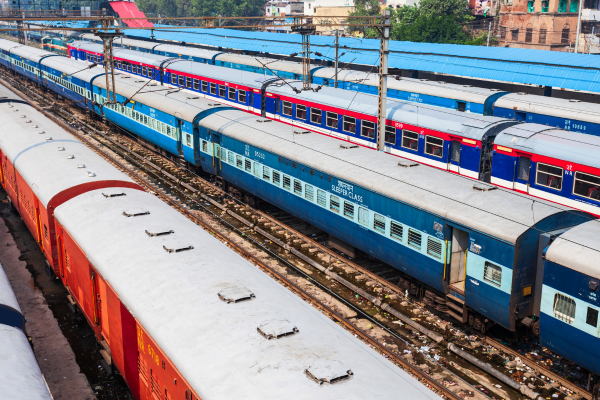
The Indian Railways has stated that e-ticketing will account for 89 % of all reserved bookings in FY26. This reflects a continued rise from 86 % in FY25 and 81 % in FY23, marking steady growth from the 54 % share recorded in 2014-15. The railways attributed this trend to stronger digital infrastructure, higher mobile adoption and wider use of online services across regions. Advertisement


Reservation computerisation began in 1986 in the national capital region, and the first railway website went live in early 2000. The online journey for reserved tickets started in 2002, when IRCTC recorded only 27 bookings on the first day. Fully paperless e-ticketing followed in 2005, allowing passengers to travel without printed tickets. These early steps created the base for rapid growth in the following years.
A major shift came with the Next Generation e-Ticketing System (NGeT) launched in 2014. The system is now capable of processing more than 30,000 tickets per minute. In March this year, it handled 16.17 lakh bookings in a single day and touched a peak of 30,155 bookings in one minute. These volumes have been rising consistently as more trains and services are added to the network.
Mobile usage continues to drive digital bookings. In FY25, mobile apps contributed 53.8 % of all e-tickets. The Rail Connect app has now crossed 14.63 crore downloads, and daily mobile bookings have increased from 6.34 lakh to 7.47 lakh over the past year. These numbers show that passengers increasingly prefer app-based booking because of convenience and faster processing.
The Rail Ministry also launched the RailOne app in July 2025. It combines multiple services-including unreserved ticketing, live train updates, grievance redressal, e-catering, porter services and taxi booking into a single platform. The ministry expects this app to reduce the need for users to switch between different portals.
Work is underway to complete the modernisation of the Passenger Reservation System by December 2025. The new system is designed to support multilingual access and process up to 1.5 lakh bookings and 40 lakh enquiries per minute. This upgrade aims to improve availability during peak booking hours and help the system handle future demand.
To prevent misuse of high-demand quotas, the railways has also implemented tools that identify suspicious activity. These tools have already deactivated more than 2.5 crore accounts flagged for irregular behaviour. In addition, passengers who register without Aadhaar verification are required to wait three days before they can book Tatkal, Premium Tatkal or ARP quota tickets. This measure is meant to limit bulk or automated misuse and give priority to genuine users.

5th Jun, 2025

25th May, 2023

11th May, 2023

27th Apr, 2023
Advertisement





 Facebook
 Whatsapp
