Advertisement






Mumbai University has commissioned a 200 kW solar-power system at its Kalina campus, covering seven key buildings, including Ambedkar Bhavan, Mehta Bhavan, and the Life Science Block. With net metering, this installation is expected to generate around 260,000 units annually and save over INR 4 lakh per month in electricity costs. The project is part of a larger green campus push, backed by a partnership with Comet India and United Way Mumbai, that also includes rainwater harvesting, recycling, biodiversity efforts, and climate-skills programmes.
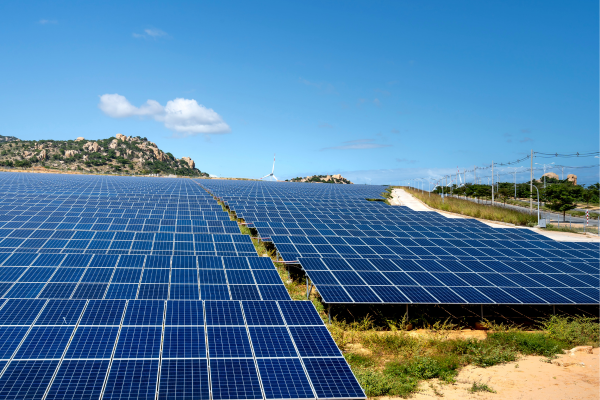
Mumbai University has initiated a 200 kW solar-power project on its Kalina campus to fully power seven of its major buildings. These include Dr Babasaheb Ambedkar Bhavan, Feroz Shah Mehta Bhavan, C. D. Deshmukh Bhavan, the Old Lecture Complex, the Life Science Building, Maulana Abdul Kalam Bhavan, and the Department of Biophysics. This step marks a strong move to reduce the campus's dependence on fossil fuels and lower its carbon footprint. Advertisement


The university has entered into a memorandum of understanding with Comet India and United Way Mumbai to implement this solar installation. The system comes with net metering, and it is expected to generate about 260,000 units of electricity per year. Thanks to this, the university projects saving more than INR 4 lakh per month on its electricity bill.
In line with its 'Green Campus' vision, Mumbai University has also installed a machine to shred used plastic bottles at the Kalina campus. This supports its waste-management drive by enabling the recycling of plastic on site.
These efforts build on earlier sustainability work: the university had already set up solar systems at its Thane sub-campus and its engineering and applied sciences campus in Kalyan.
Beyond infrastructure, the university is engaging students through climate-skills programmes, encouraging them to take part in sustainability initiatives. To deepen its green credentials, Mumbai University has also been carrying out a biodiversity audit; its Kalina campus is well known for its leafy landscape, with around 243 acres of relatively green expanse in an otherwise concrete-dense part of the city.
Historically, the Kalina campus has also developed a biodiversity park covering about 1.5 acres, offering a green lung for the city amid busy urban surroundings.

5th Jun, 2025

25th May, 2023

11th May, 2023

27th Apr, 2023
Advertisement





 Facebook
 Whatsapp