Advertisement






Indian Railways has asked all its zones to upload operational problems on the Innovation Portal so that startups, MSMEs, R&D institutes and individual innovators can work on practical solutions. The platform, created under the Startups for Railways programme launched in 2022, already has more than 4,043 registered participants. Several ideas submitted earlier such as smart track inspection systems, solar-powered coach rooftops, fire detection tools, broken-rail monitoring and safer shunting solutions have shown early progress. The new push aims to bring more clarity to problem statements and encourage wider participation across zones.
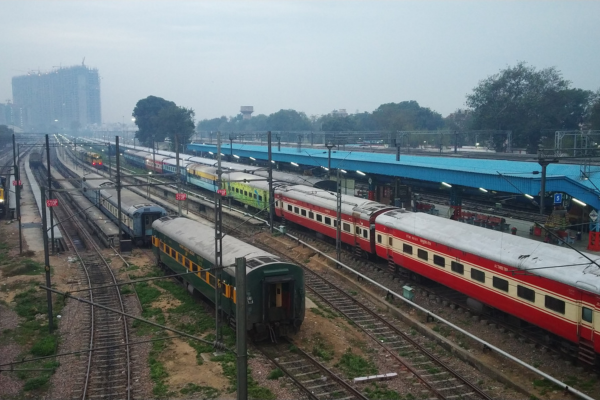
The Indian Railways has directed its zones to list specific operational issues on its Innovation Portal so that external innovators can study them and propose workable solutions. This portal was introduced under the Startups for Railways programme launched in 2022, with the intention of opening railway challenges to a wider innovation community. According to officials, over 4,043 entities are currently registered on the platform, including 416 startups, 2,655 individual innovators, 233 MSMEs, 213 R&D institutes as well as NGOs and Section-8 organisations. Advertisement


These participants have previously submitted solutions covering a wide range of operational and safety needs. Some of the key areas include smart technologies for track inspection, systems for early fire and smoke detection in coaches, solar-powered rooftops for LVPH coaches using lightweight photovoltaic sheets, rail stress monitoring, broken-rail detection, advanced robotics for maintenance, sensor-based alarms and improved e-seal mechanisms. Proposals for safer shunting and better caution-relaying methods have also been included to reduce human-error risks.
Railway officials shared that more than 131 workshops and meetings have already been conducted across zones and PSUs. Nearly 1,560 startups and innovators participated in these interactions and discussed the requirements of field operations and maintenance teams. Some innovations have shown practical outcomes, especially in track inspection and solar-based systems where trial runs have delivered useful early results. Officials added that integration and testing with partner firms is progressing, and further deployments will be planned based on operational suitability.
The current instruction to zones aims to make problem statements more accurate and aligned with day-to-day challenges faced by technical teams. This will help innovators understand the depth of issues before developing prototypes. The railways view the portal as an opportunity to combine internal feedback with external expertise, which could help speed up the development of tools that support safety, reliability and sustainability targets.

5th Jun, 2025

25th May, 2023

11th May, 2023

27th Apr, 2023
Advertisement





 Facebook
 Whatsapp
