Advertisement






Western Railway has decided that trains on the Mumbai-Ahmedabad-New Delhi corridor will move to 160 kmph only after the Kavach anti-collision system is fully installed across the entire route. The railway ministry remains cautious about allowing higher speeds without full technological protection in place. Although track upgrades for 160 kmph operations are already in advanced stages, the clearance will be issued only once Kavach is activated end-to-end. Officials said the system is essential to minimise human error, especially on long high-density routes where visibility and signalling conditions can vary.
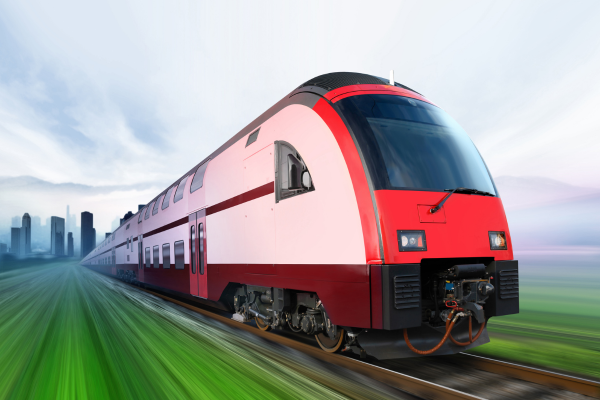
Western Railway has confirmed that it will approve 160 kmph operations on the Mumbai?Ahmedabad?New Delhi corridor only after the Kavach safety system is completely installed throughout the route. Senior officials said the Railway Ministry does not want to allow faster operations without full technological protection, as higher speeds increase the risk associated with even minor human lapses. Track upgrading to support 160 kmph has already progressed significantly, but the final approval depends on Kavach being operational across the entire stretch. Advertisement


The Mumbai?New Delhi corridor, measuring about 1,384 km, has already been identified for 160 kmph operations. Western Railway manages around 694 km of this route, between Mumbai Central and Nagda. On the 390 km section between Virar and Vadodara, where upgrade work is nearing completion, the plan is to raise speeds from the existing 130 kmph to 160 kmph.
Kavach, designed as an indigenous ?armour? system, works by continuously updating movement authority through ultra-high-frequency radio communication. It automatically applies brakes in cases of overspeeding, possible collisions, or Signal Passing At Danger (SPAD). A senior signalling engineer said the system offers a safety envelope that is difficult to ensure through human vigilance alone when trains operate at higher speeds. This becomes especially critical during low-visibility periods such as fog.
Kavach has been certified at the highest safety integrity level and has a hazardous failure probability of less than one in 10,000 years. Installation costs for trackside equipment stand at about INR 50 lakh per km, while each locomotive requires approximately INR 10 lakh for on-board systems. The railway ministry has previously noted that deploying Kavach across busy passenger corridors helps reduce operational risks and ensures uniform safety standards.

5th Jun, 2025

25th May, 2023

11th May, 2023

27th Apr, 2023
Advertisement





 Facebook
 Whatsapp