Advertisement






Puravankara Limited released its ESG Report for 2024-25 during the EcoBuild Conclave held in Bengaluru, an event organised in partnership with the Centre for Sustainability at the Ramaiah Institute of Management. The two-day conclave brought together policymakers, industry leaders and academicians to examine sustainable development themes, in line with India's long-term vision for Viksit Bharat 2047. The event also marked the announcement of IFC EDGE Pre-Certification for Puravankara�s Purva Winworth 2 project in Kochi, reflecting the developer's continued focus on resource efficiency, climate responsibility and environmentally aligned growth.
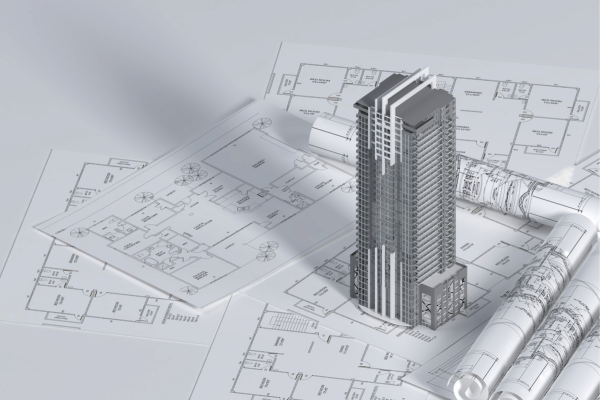
Puravankara Limited unveiled its ESG Report for 2024-25 earlier this week during the EcoBuild Conclave held in Bengaluru, organised jointly with the Centre for Sustainability of the Ramaiah Institute of Management. Positioned against India's broader aspiration for Viksit Bharat 2047, the conclave emphasised the need for urban growth strategies that integrate sustainability, resilience and circularity into the built environment. Advertisement


The two-day event gathered policymakers, industry specialists and academicians to deliberate on the theme of moving towards net zero, circularity and inclusivity. Setting the tone for the discussions, Mallana Sasalu, CEO-South at Puravankara Limited, conveyed that the conclave served as a meaningful collaboration between academia and industry, both of which have shaped India's construction landscape over several decades. He added that development must not harm the environment and observed that the future depends on responsible resource utilisation. He stated that as India continues to expand, it becomes essential to build with a sense of responsibility and awareness of long-term consequences. He emphasised that the planet's limits had been tested and that it was now the shared responsibility of all stakeholders to restore balance.
Addressing attendees, Dr Arun Kumar, Dean of the Ramaiah Institute of Management, mentioned that the conclave represented an effort to convert sustainability from theory into lived experience. He noted that this initiative marked the beginning of a collaborative shift towards a more sustainable and inclusive future and added that the institution intends to produce a white paper, organise specialised roundtables and strengthen industry-academia partnerships to support meaningful outcomes.
In his keynote address, Autif Sayyed, Project Lead for Green Buildings (South Asia) at the International Finance Corporation, commented that the conclave had arrived at a critical stage in India's approach to building design and operation. He said that future-proofing the built environment had become essential and that sustainability, resilience and efficiency must be integrated into every design decision. He remarked that incorporating sustainability at the early stages does not necessarily increase costs and highlighted the long-term advantages. He further noted that rising consumer expectations, investor attention and accessible tools such as IFC's EDGE had created an enabling environment to advance India's green building movement. He stated that the question had shifted from why sustainable construction matters to how swiftly it can become the norm.
The event also featured discussions led by industry experts including Sneha Murthy of McD BERL, Dr Gopi Prasad of Puravankara Limited, Vishwanath Srikantaiah of the Biome Environmental Trust and Prabhavathi P. of Conserve Consultants Pvt. Ltd. These sessions offered insights into integrated design principles, early-stage green consultations, life-cycle-based decision-making, passive design strategies, carbon-neutral campus planning and the practical technical and economic considerations involved in sustainable development.
Speakers emphasised that the benefits of sustainability are maximised when it is incorporated from the concept stage, enabling architects, consultants, engineers and developers to collaborate on reducing energy consumption, conserving water, optimising materials and enhancing long-term building performance.
Other panels explored nature-based design and wellness, technological advancements in construction, pathways to net zero and circularity, and innovation in real estate geared towards future-readiness.
Source - PTI

5th Jun, 2025

25th May, 2023

11th May, 2023

27th Apr, 2023
Advertisement





 Facebook
 Whatsapp