Advertisement






Dubai's residential property market is expected to remain on a growth path through 2026, supported by strong population inflows and limited availability of completed homes. While off-plan prices are likely to see steady, moderate gains, the secondary market is set to outperform due to tight supply in established locations such as Dubai Marina, Business Bay and JLT. Rising expatriate arrivals, stable economic growth and investor-friendly visa policies continue to drive housing demand. Infrastructure upgrades, low inflation and healthy rental yields are further strengthening buyer confidence. Despite new supply planned over the next two years, demand is expected to outpace additions, sustaining price momentum across key residential markets.
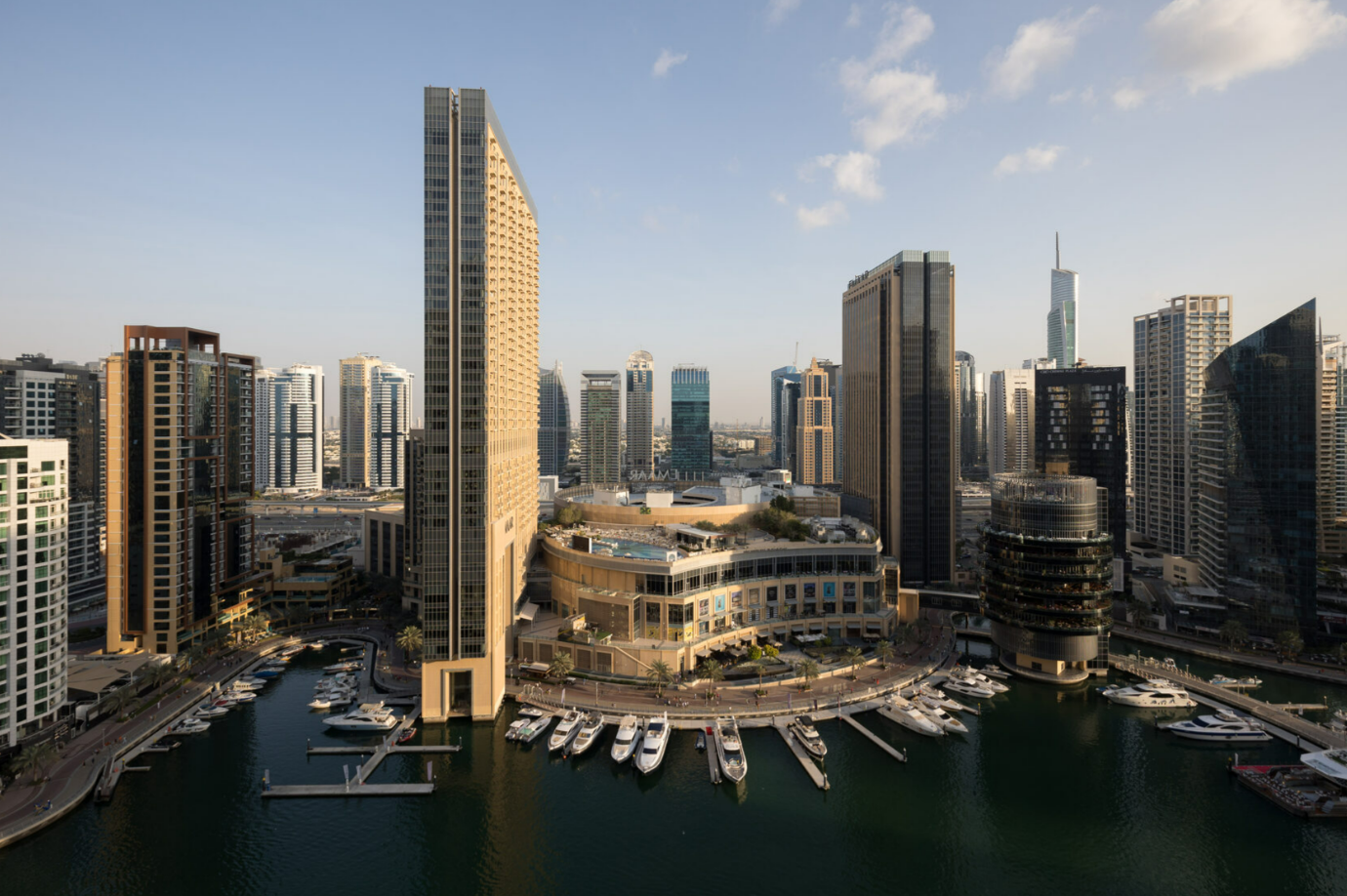
Dubai's residential property market is poised for another year of growth in 2026, underpinned by strong structural demand and constrained supply of completed homes. Market forecasts suggest that prices in the off-plan segment are set to rise moderately, with new developments expected to appreciate by around 3-5 per cent annually. On current trajectories, this could result in total price growth of between 6 and 10 per cent by mid-2026, reflecting the continuing expansion of supply in the primary market and helping to moderate sharp price spikes. Advertisement


In contrast, the secondary market is expected to perform more dynamically over the next year. Completed units remain relatively limited compared with persistent demand, especially in established districts that offer full infrastructure and connectivity. As a result, secondary prices are forecast to climb by approximately 5-8 per cent per annum, which could bring cumulative growth of 12-16 per cent by 2026. Areas such as Dubai Marina, Business Bay, The Greens and Jumeirah Lakes Towers continue to attract strong interest from investors and end-users alike, supported by solid rental yields and sustained competition for quality stock.
Several key fundamentals support the expectation of further price appreciation in the coming year. Dubai's population continues to grow, with projections indicating it could exceed 4 million residents by 2026, fuelling demand for housing across segments. Data from the Dubai Statistics Centre showed that more than 175,000 expatriates relocated to the emirate in the 2023-24 period, one of the highest figures in recent memory and a direct contributor to increased housing demand. At the same time, the UAE economy is expanding steadily at around 3 per cent annually, reinforcing capital inflows and investor confidence.
Residential supply has also expanded, with roughly 40,000 new units commissioned in 2023 and a further 38,000 added in 2024. However, net population growth still outpaced new supply by nearly two to one, maintaining a structural shortage of completed properties. Government policies that link residency visas with property purchases, particularly under the Golden Visa scheme, have also stimulated investment interest. In 2024, the number of companies registering in Dubai's Free Zones rose by 32 per cent, encouraging relocation of mid- and senior-level professionals, who are active buyers in the upper-middle-price housing segment.
Ongoing infrastructure development, including new metro lines, improved transport links and expanding tourist districts, is enhancing the attractiveness of adjacent residential areas. Inflation has remained low, at around 2 per cent, reinforcing real estate's appeal as a long-term store of value relative to cash holdings. Although an additional 65,000-70,000 housing units are expected to enter the market between 2025 and 2026, Knight Frank forecasts indicate this volume will still fall short of meeting the burgeoning demand from expatriates and investors.
Industry participants highlight that this growth appears rooted in organic market development rather than speculative excess. Senior executives at investment firms note that the outlook is for steady, predictable price appreciation and that buyers entering the market now have a good chance of realising gains by 2026, provided they focus on quality assets and strategic locations.
Decisions about when to buy or sell will depend on individual investment horizons and asset characteristics. Premium locations such as Palm Jumeirah and Downtown Dubai where rental returns often range between 6 and 9 per cent annually continue to be viewed as stable, liquid segments positioned for long-term capital gains. Conversely, some mass-market communities face potential oversupply pressures, which could lead to price corrections of 10-15 per cent, making earlier exits a sensible strategy for investors prioritising liquidity or faster capital rotation.
As it stands, Dubai's residential market continues to attract global attention not only for its livability but also for its resilience as a real estate investment destination. The next two years are likely to be pivotal for those positioning themselves ahead of emerging trends and market cycles.

5th Jun, 2025

25th May, 2023

11th May, 2023

27th Apr, 2023
Advertisement





 Facebook
 Whatsapp