Advertisement






The Delhi government is expanding its use of nine-metre electric buses to address congestion and narrow road conditions across the city. Officials have already ordered 2,800 e-buses, with half of them being nine-metre units, and the next purchase plan includes 1,200 more buses, of which 800 will be the compact ones. These smaller buses cost around INR 1 crore each, compared with INR 1.5 crore for a 12-metre bus, and offer better manoeuvrability. The decision aligns with Delhi's wider plan to upgrade its fleet, enhance last-mile reach, and shift steadily toward electric mobility.
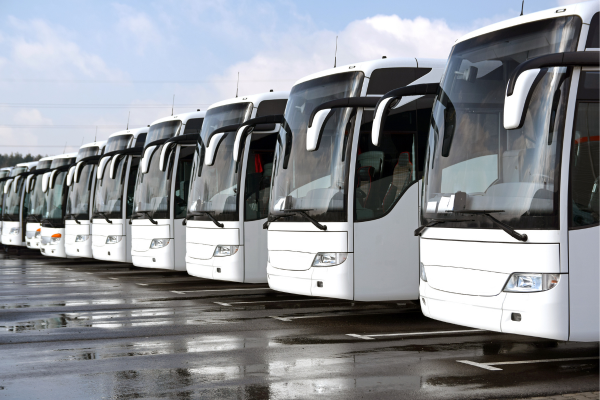
The Delhi government has expanded its reliance on nine-metre electric buses after reviewing traffic patterns, road widths and operational challenges across several parts of the city. Officials explained that these compact buses perform better on narrow internal roads, crowded corridors and areas where larger vehicles cannot turn easily. The introduction of nine-metre buses under the DEVI programme showed that they handle difficult stretches more efficiently than 12-metre buses, which remain suitable mainly for wider stretches such as the Outer Ring Road. Advertisement


Transport officials shared that the current procurement includes 2,800 electric buses, divided evenly between nine-metre and 12-metre models. In the upcoming purchase plan, authorities intend to include 1,200 more buses, with 800 being nine-metre units and 400 being full-sized ones. This distribution reflects the travel patterns observed in the city, where buses tend to run full mostly during peak hours but have lighter load during non-peak periods.
The cost difference between the two bus types has also influenced the government's approach. A 12-metre electric bus costs about INR 1.5 crore, while a nine-metre bus is priced close to INR 1 crore. The smaller option is therefore more practical for areas with lower ridership or restricted road conditions and also helps reduce overall operational spending.
While the focus is shifting toward nine-metre buses for internal routes, the 12-metre buses will continue to operate on high-demand corridors and newly launched inter-state services. The transport department is already in the process of integrating 5,780 electric buses into the combined DTC and cluster fleet.
Older vehicles are being phased out as part of this transition. Around 2,442 CNG buses that are still in operation are expected to be removed from service by the end of this year. The remaining 1,750 CNG cluster buses are planned to be phased out gradually by 2030-31. This change is intended to improve overall fleet efficiency, reduce emissions and support the city's long-term public transport strategy.
Source PTI

5th Jun, 2025

25th May, 2023

11th May, 2023

27th Apr, 2023
Advertisement





 Facebook
 Whatsapp
