Advertisement






The 34-day protest in Jaisalmer demanding registration of Oran and Gochar lands came to an amicable end after detailed discussions between local representatives and the district administration. Officials agreed to formally record nearly 100,000 bighas of land, including around 17,562 bighas designated as Oran. The resolution also included a commitment to conduct extensive surveys of water bodies, heritage sites, and lands marked for industrial purposes, ensuring coordination with gram panchayats and state-level monitoring.
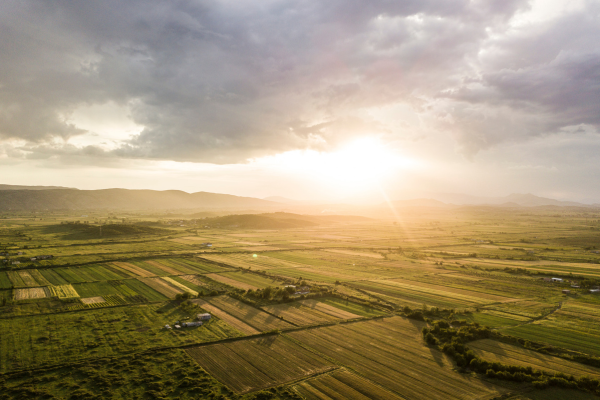
The long-standing protest in Jaisalmer over the registration of Oran and Gochar land finally concluded last week, following a series of successful negotiations between local representatives and the district administration. The 34-day demonstration, which had drawn attention across Rajasthan, aimed to safeguard the region's traditional grazing grounds, water bodies, and sacred groves that form an essential part of its ecological and cultural landscape. Advertisement


The discussions took place at the Jaisalmer Collectorate and were attended by the local MLAs of Jaisalmer and Pokaran, the District Collector, and the protest representatives. The administration consented to a significant decision-registering nearly 100,000 bighas of land in the official revenue records within the next three months. This land comprises traditional Oran and Gochar areas, along with associated natural features such as ponds, rivers, streams, and community water sources.
Out of the total area, 17,562 bighas were categorised specifically as Oran land. Notable inclusions are 3,608 bighas of Swangiya Ji Oran in Punamnagar, 7,473 bighas of Aalaji Oran in Kuchdi, 598 bighas of Tanotray Oran in Binjota, and 5,883 bighas of Bhimsar Degray Oran. The administration also confirmed that all pending Oran proposals at tehsil, sub-division, and district levels would be forwarded to the state government for approval.
In addition to the registration exercise, officials announced that comprehensive surveys would be conducted covering all roads, rivers, ponds, Khadin (traditional water-harvesting systems), cremation grounds, and heritage sites. These surveys are intended to ensure accurate mapping and protection of local assets. Areas where land has been allocated for industrial purposes, including solar and cement projects, will receive priority in the survey process. Coordination between government departments and gram panchayats will be strengthened to ensure the proper conservation of folk and ecological heritage.

5th Jun, 2025

25th May, 2023

11th May, 2023

27th Apr, 2023
Advertisement





 Facebook
 Whatsapp