Advertisement






The Goa State Pollution Control Board (GSPCB) has lowered the threshold for mandatory sewage treatment plants (STPs) in residential complexes from 50 flats to 24 flats. This follows a scientific study of wastewater generation, highlighting that complexes with 24 or more units produce significant waste. Builders are required to maintain STPs for three years or until handover to the housing society. The move addresses frequent complaints about non-operational STPs and untreated effluent discharge, aiming to protect public health and prevent environmental pollution in Goa.
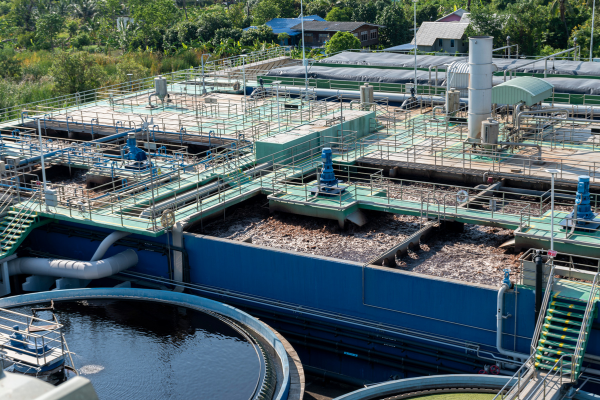
The Goa State Pollution Control Board (GSPCB) has mandated that all residential complexes with 24 or more flats install their own sewage treatment plants (STPs), reducing the previous threshold of 50 flats. This decision is based on a scientific study assessing wastewater generation, which found that complexes with 24 or more flats produce enough sewage to require on-site treatment. Advertisement


The board highlighted that builders often fail to maintain STPs after selling flats, and in some cases, do not hand over the systems to the housing society. This leads to untreated effluent being discharged into the open, causing pollution and health hazards. To address this, builders will now be responsible for operating and maintaining STPs for three years or until the complex is handed over to the housing society, whichever comes first.
The regulation also stipulates that once the STP is transferred, the housing society must be adequately trained to operate it. The move comes after a public interest litigation (PIL) challenged the adequacy of existing rules. The High Court had directed the state government to finalize the threshold for mandatory STPs in consultation with the GSPCB. Following this, the board insisted that all residential complexes with more than 24 flats should comply with the new rule.
The GSPCB emphasized that the decision aims to prevent untreated sewage discharge, improve STP operation, and ensure effective sewage management. The board's meeting minutes noted that complaints regarding non-functional STPs have been frequent, and the 24-flat threshold was determined after scientifically examining wastewater quantities generated by housing complexes.

5th Jun, 2025

25th May, 2023

11th May, 2023

27th Apr, 2023
Advertisement





 Facebook
 Whatsapp