Advertisement






The Rajasthan government is reportedly considering a proposal to allow land-use conversion within the one-kilometre eco-sensitive zone (ESZ) surrounding the Jawai Bandh leopard conservation area in Pali district. The move follows a representation from a hotelier who claimed existing restrictions were hampering tourism and local livelihoods. While the proposal could encourage economic development and tourism growth, conservationists fear it may violate environmental norms and threaten the fragile habitat of the country's only population of cave-dwelling leopards.
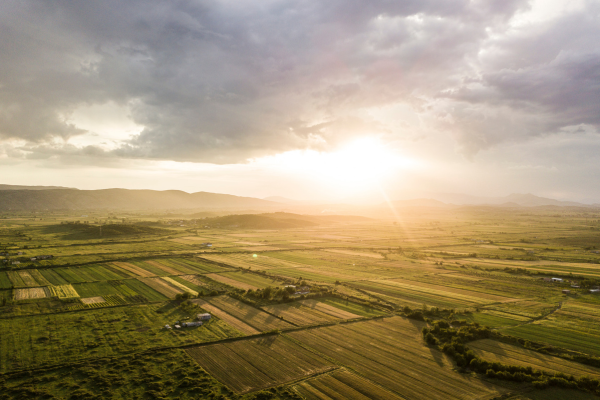
The Rajasthan government is evaluating a proposal that could permit land-use conversion in the eco-sensitive zone (ESZ) around the Jawai Bandh leopard conservation area, located in the Pali district. This proposal reportedly stems from a representation submitted by a hotelier who expressed concern that strict restrictions on land use within the ESZ were affecting tourism investment and employment prospects for local residents. Advertisement


According to officials familiar with the matter, the Chief Minister's Office recently sought detailed ownership and classification data of the land located within one kilometre of the reserve. The Pali district collector was instructed to submit records specifying whether the land falls under forest, government or private ownership. These details were to be divided into two categories-300 to 500 metres and 500 metres to one kilometre from the boundary of the Jawai reserve.
The request for data was initiated after the revenue department compiled relevant khasra numbers, ownership information, land types and total areas on 15 September. The proposal argued that the ESZ restrictions had reduced land values and deprived local residents of viable income opportunities. It also highlighted that the land was unsuitable for cultivation due to poor soil conditions and water scarcity. Allowing controlled non-agricultural uses, such as homestays, eco-tourism ventures, and small-scale hospitality businesses, was presented as a means to boost the local economy and create sustainable livelihood options.
The Jawai Bandh conservation area, notified in 2010, is home to India's only population of cave-dwelling leopards and has since emerged as a popular wildlife tourism destination. In 2016, the state government had imposed a complete ban on mining, construction and commercial activities within a one-kilometre radius of the reserve. The potential policy revision now under consideration marks a significant shift from that earlier stance, raising questions about the state's long-term conservation priorities.
However, environmentalists have voiced strong objections, arguing that such permissions could open the door to large-scale construction and mining operations, thereby endangering the leopard habitat. They also cautioned that any state-level move to permit land conversion would contravene existing environmental regulations, as once an ESZ is formally notified by the central government, individual states no longer have the authority to alter land use without central approval.

5th Jun, 2025

25th May, 2023

11th May, 2023

27th Apr, 2023
Advertisement





 Facebook
 Whatsapp