Advertisement






India has added nearly 4.9 GW of residential rooftop solar capacity under the Pradhan Mantri Surya Ghar Yojana (PMSGY), with over 57.9 lakh applications submitted so far. Despite a four-fold increase in applications over the past year, only 13 per cent of the target of 1 crore installations has been achieved, and less than 15 per cent of allocated subsidies worth INR 65,700 crore (USD 7.5 billion) have been released. Supply chain issues, limited consumer awareness, and financial constraints remain major hurdles, highlighting the need for state-level facilitation, standardized kits, and stronger support systems to boost adoption.
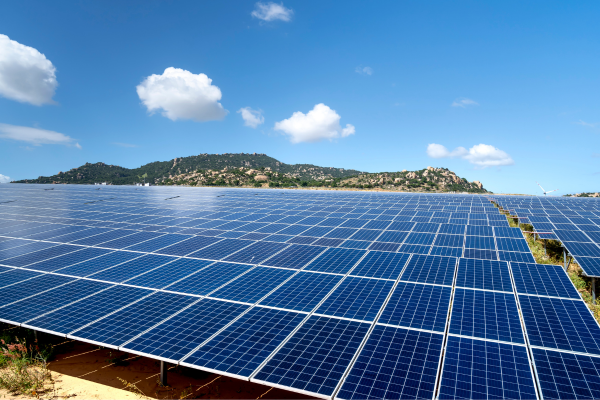
India has achieved progress in residential rooftop solar under the Pradhan Mantri Surya Ghar Yojana (PMSGY), reaching an installed capacity of around 4.9 GW. The scheme has received more than 57.9 lakh applications, reflecting growing household interest. However, despite nearly a four-fold rise in applications between March last year and July this year, only 13.1 per cent of the target of 1 crore installations has been met. Advertisement


Subsidy disbursement has not kept pace, with only 14.1 per cent of the allocated INR 65,700 crore (USD 7.5 billion) released. This slow release presents a significant hurdle in achieving the FY2027 target of 30 GW residential rooftop solar capacity.
Gujarat leads all states with the highest installed residential rooftop solar capacity at 1,491 MW, followed by Maharashtra, Uttar Pradesh, Kerala, and Rajasthan. Collectively, these five states account for approximately 77.2 per cent of the total installed capacity under the scheme.
The PMSGY has steadily expanded its policy framework to encourage adoption. Since 2024, a nationwide capacity-building programme has trained over three lakh people, helping vendors, utilities, and financiers improve their skills, according to Jyoti Gulia, founder of JMK Research and contributing author of the report.
Despite these initiatives, barriers persist. Low consumer awareness, difficulty accessing finance, and outdated perceptions of high upfront costs and maintenance challenges continue to slow adoption, particularly in rural areas. Fragmented supply chains for panels, inverters, and mounting structures also cause project delays.
Experts stress the importance of establishing clear, time-bound rooftop solar targets at the state level to ensure coherent policy implementation. While a grievance redressal system exists under PMSGY, its effectiveness is limited. A district-level escalation matrix could address issues such as delayed subsidies, portal malfunctions, and incorrect data entries more effectively.
To convert applications into installations, state- and district-level facilitation cells could guide households through application processes and subsidy claims. Targeted marketing campaigns and consumer outreach initiatives can help increase awareness of rooftop solar benefits and affordability.
The rooftop solar market continues to face challenges related to fragmented quality and weak end-to-end guarantees. Standardized plug-and-play solutions, including pre-assembled modules, inverters, mounting structures, and cables, can simplify installation, reduce delays, and improve reliability.
Long-term success of PMSGY depends not only on providing subsidies but also on institutionalizing digital processes, consumer-focused support systems, and standardized product solutions. Strengthening these mechanisms can ensure smoother project execution, faster adoption, and more households benefiting from renewable energy.
Source PTI

5th Jun, 2025

25th May, 2023

11th May, 2023

27th Apr, 2023
Advertisement





 Facebook
 Whatsapp
