Advertisement






The Delhi Metro Rail Corporation (DMRC) has invited bids from solar developers to supply 500 million units of renewable energy every year. The selected bidder will be responsible for setting up a grid-connected captive solar power plant with battery storage and supplying electricity under a 25-year power purchase agreement. The initiative is intended to enhance DMRC's renewable energy share to more than 60 per cent, covering its operational and upcoming network expansions.
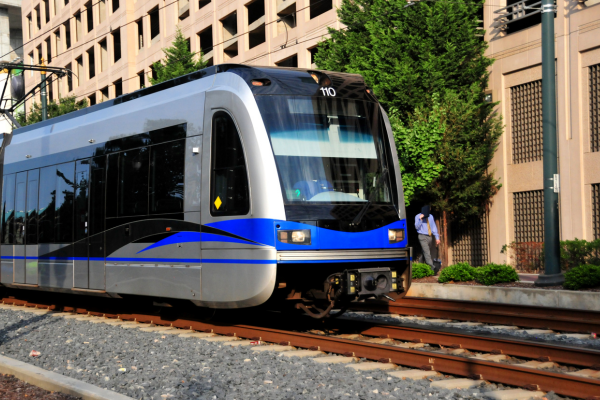
Delhi Metro currently fulfils about 33 per cent of its total power requirement through renewable energy. It already procures close to 350 million units annually from the Rewa Solar Park in Madhya Pradesh and generates approximately 40 million units through rooftop solar systems installed across stations, depots, and residential premises. During daylight hours, renewable energy contributes nearly 65 per cent of the metro's total electricity usage. Advertisement


The newly issued tender invites bids from developers to establish a grid-connected captive solar generating station combined with a battery energy storage system at any suitable location in India. The selected developer will supply power to DMRC under a 25-year power purchase agreement, with the project expected to be completed within 15 months from the date of award.
DMRC indicated that this move forms part of its broader sustainability strategy aimed at significantly increasing its clean energy portfolio, especially with the rollout of its Phase-IV expansion. The corporation aims to become the first metro network in India to source the majority of its power needs from renewable sources, thereby reducing reliance on conventional energy.
By sourcing a greater share of clean energy, the metro aims to lower its carbon footprint and ensure a more sustainable mode of urban transport. The inclusion of battery storage will further strengthen supply reliability, setting a precedent for other metro networks across the country to adopt similar clean energy initiatives.

5th Jun, 2025

25th May, 2023

11th May, 2023

27th Apr, 2023
Advertisement





 Facebook
 Whatsapp