Advertisement






NCRTC has launched India's first solar-on-track initiative at the Namo Bharat Depot in Duhai, installing 28 solar panels along a 70-metre track stretch. With a total capacity of 15.4 kWp, the system is expected to generate 17,500 kWh annually and reduce 16 tonnes of CO2 emissions each year. The project utilizes idle track space to support NCRTC's net-zero carbon goals. Combined with rooftop solar, rainwater harvesting, sewage treatment, and regenerative braking systems, the initiative strengthens sustainable operations in urban transit.
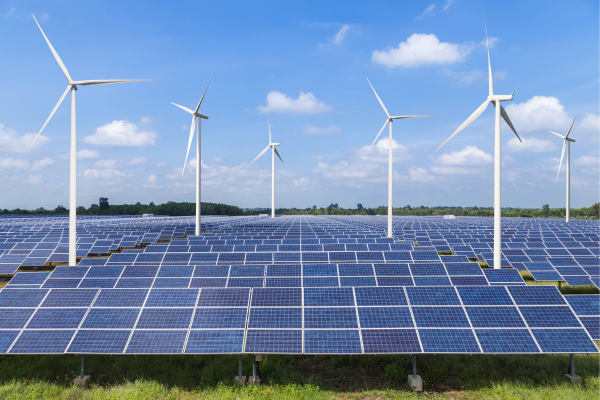
The National Capital Region Transport Corporation (NCRTC) has introduced solar panels directly on tracks at the Namo Bharat Depot in Duhai under its Solar on Track initiative, marking a first for any rapid rail or metro network in India. Advertisement


The pilot installation was implemented on the Pit Wheel Track at the depot, where 28 solar panels, each with a 550 Watt peak capacity, have been installed over a 70-metre stretch. The total capacity of 15.4 kWp is expected to generate around 17,500 kWh of energy annually and reduce approximately 16 tonnes of carbon dioxide emissions every year.
According to NCRTC, the initiative demonstrates its ongoing focus on energy-efficient and sustainable operations. By utilizing otherwise idle track space, the project contributes to the corporation's broader goal of achieving net-zero carbon emissions across its facilities.
Currently, NCRTC aims to meet nearly 70 per cent of its energy requirements from renewable sources. Its solar policy envisions generating 15 MW of in-house solar power through installations on rooftops of stations, depots, and other buildings, with 5.5 MW already commissioned. The track-based solar system is an additional step toward reaching this target.
The corporation emphasized that the initiative aligns with the objectives of the National Solar Mission and reflects its commitment to promoting clean energy and sustainability within the transport sector.
Apart from solar panels, NCRTC has incorporated other environmentally friendly features across its network, including rainwater harvesting systems, sewage treatment plants, and regenerative braking systems in Namo Bharat trains that convert kinetic energy into electrical power during braking.
By integrating renewable energy solutions and eco-friendly practices into its infrastructure, NCRTC aims to set benchmarks for sustainability in urban transit systems and contribute to a greener, more energy-efficient future for the National Capital Region.
Source PTI

5th Jun, 2025

25th May, 2023

11th May, 2023

27th Apr, 2023
Advertisement





 Facebook
 Whatsapp
