Advertisement






A new study by The Energy and Resources Institute (TERI) projects that by 2031, the Delhi Metro will help remove nearly 10.9 lakh vehicles from the roads of the National Capital Region every day. The metro has already reduced road traffic significantly keeping 4.74 lakh vehicles off the roads in 2019 and 5.16 lakh in 2021. The study also notes rising fuel and pollution savings, with fuel conservation expected to reach 5.34 lakh tonnes and pollutant reduction up to 16.3 lakh tonnes annually by 2031, alongside major commuter time savings.
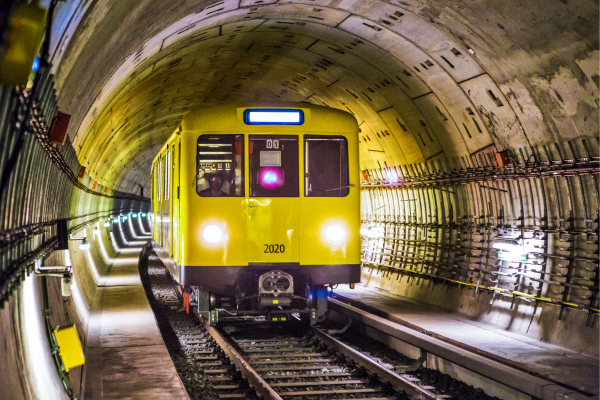
A study by The Energy and Resources Institute (TERI) has highlighted the Delhi Metro's growing contribution to reducing vehicular traffic and pollution in the National Capital Region (NCR). The report estimates that by 2031, metro operations will keep about 10.9 lakh vehicles off the region's roads each day. The finding reflects the increasing role of mass transit in easing traffic congestion and cutting emissions across Delhi and its surrounding areas. Advertisement


According to TERI's assessment, the number of vehicles displaced by the metro rose from 4.74 lakh in 2019 to 5.16 lakh in 2021. This growing shift towards public transport is linked to the expansion of the network and higher daily ridership, which now averages around 65 lakh passengers. The study also points out that fuel savings, which were about 2.55 lakh tonnes in 2021, are projected to rise to 5.34 lakh tonnes annually by 2031.
Pollution reduction is another major impact area. The metro's operation helped prevent the release of approximately 7.77 lakh tonnes of pollutants in 2021, and this figure is expected to more than double to 16.3 lakh tonnes by 2031. This improvement is attributed to lower road congestion, fewer private vehicles, and cleaner energy use within the metro system.
Commuters are also benefiting from reduced travel time. The study estimates that metro users collectively saved about 269 million hours in travel time in 2021, and these savings could grow to 572 million hours per year by 2031 as the network expands further and connectivity improves across the region.
The Delhi Metro currently operates over 395 km of network spread across 10 colour-coded lines with 289 stations. The ongoing Phase IV expansion, which covers 112 km and involves an investment of about INR 39,580 crore, is being implemented with funding support from the Japan International Cooperation Agency (JICA). Once completed, the overall network length is expected to reach around 450 km by 2027.
The Delhi Metro Rail Corporation (DMRC) has also focused on sustainable practices. It is the first metro system globally to register under the United Nations Clean Development Mechanism (CDM), which allows it to earn carbon credits for using regenerative braking and solar power. The network has already installed 50 MW of rooftop solar panels and sources about 345 million units of electricity each year from its off-site solar power facility, which meets roughly 35 per cent of its total energy requirement.
TERI's study underlines that the Delhi Metro's environmental and social impact extends beyond transportation. It plays a major role in improving air quality, reducing dependence on fossil fuels, and encouraging transit-oriented development. The report indicates that with the completion of future phases, the metro's contribution to sustainable urban mobility will continue to grow substantially.

5th Jun, 2025

25th May, 2023

11th May, 2023

27th Apr, 2023
Advertisement





 Facebook
 Whatsapp