Advertisement






Dubai's property sector, which has witnessed soaring prices and record investment in recent years, is heading towards a new phase as a massive residential supply pipeline approaches completion between 2026 and 2028. With over 200,000 new units expected, analysts are assessing how this surge will affect market equilibrium. While some foresee moderate corrections, experts suggest that strong rental demand, immigration, and economic growth may cushion the impact. Investors are now re-evaluating strategies amid predictions of selective price adjustments and steady yields.
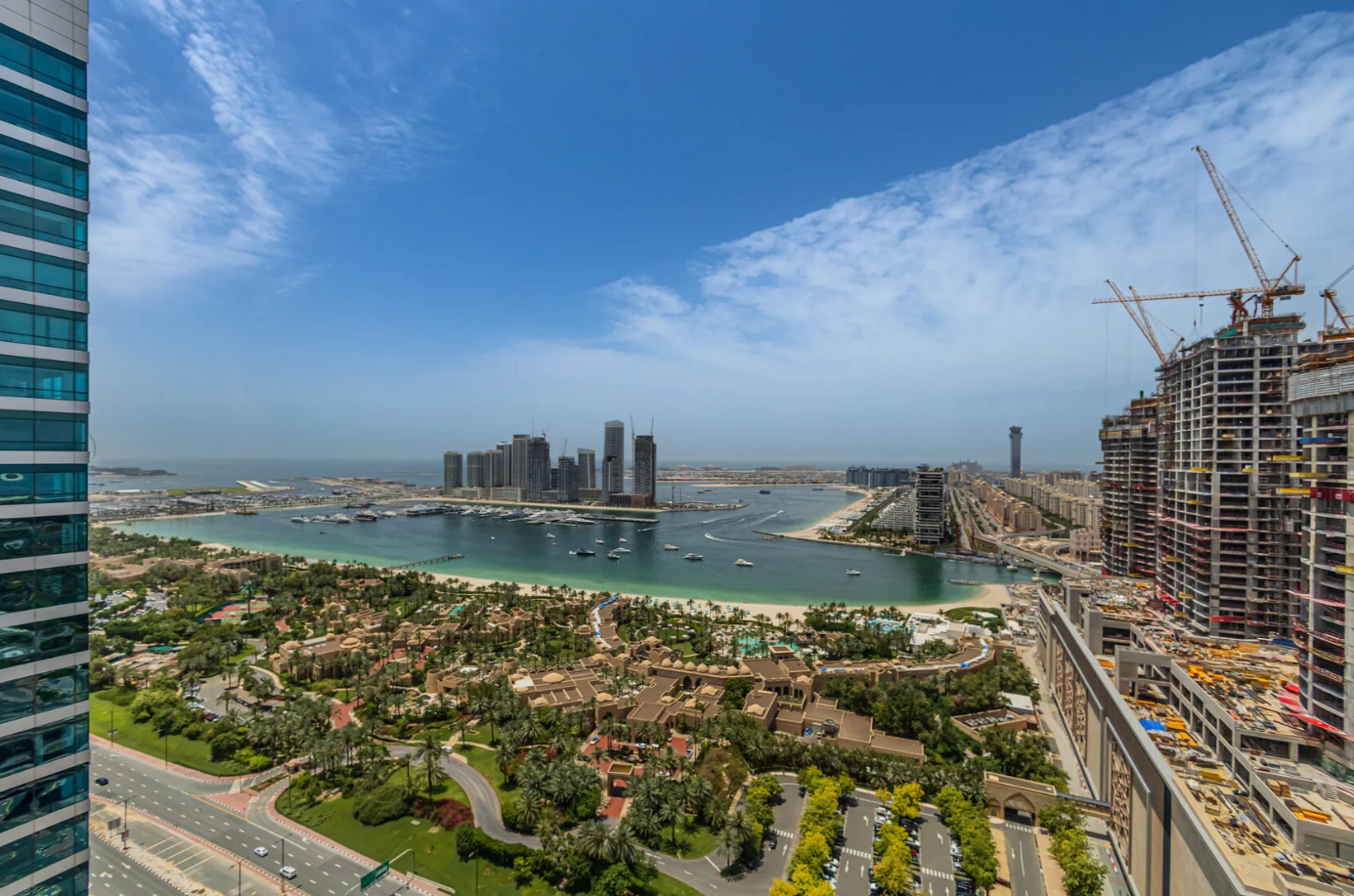
Dubai's real estate market, after experiencing an extended period of unprecedented growth, is preparing for a significant shift in the coming years. Following several years of robust price increases and heightened investor activity, the emirate now faces a wave of new residential completions expected between 2026 and 2028. This influx, largely from off-plan projects launched during the post-pandemic boom, is anticipated to reshape investment dynamics across the city. Advertisement


Analysts estimate that Dubai's residential pipeline will deliver between 200,000 and 300,000 new apartments and villas by 2028. Research by consultancies such as Knight Frank and other independent observers places the figure closer to 260,000-303,000 units, signalling one of the largest supply cycles in the city's modern history. The concentration of handovers is projected to peak in 2026 and 2027, a period identified by experts as the crucial phase for market adjustment.
Until mid-2025, the market experienced sustained price and rental escalation, placing Dubai among the world's most expensive rental destinations. However, even amid this surge, credit rating agencies began warning of potential corrections due to the volume of unsold inventory approaching completion. Analysts at Fitch suggested that prices could decline by 10-15% during 2025-2026 if foreign investment momentum eases and supply enters faster than anticipated.
City-wide gross rental yields currently average between 5-7%, with neighbourhoods such as Jumeirah Village Circle and Arjan yielding 8-9%, while premium locations like Palm Jumeirah and Downtown Dubai offer around 4?6%. These figures remain pivotal in determining investors? return on capital and mortgage servicing potential. Dubai?s demographic expansion, supported by population growth to nearly four million residents and pro-residency measures such as the Golden Visa and D33 economic agenda, continues to support housing demand, though analysts acknowledge the possibility of temporary saturation in certain localities.
Real estate consultant Artem Dzis remarked that the current global instability has prompted investors from Europe and the United States to channel funds into Dubai as a financial haven. He explained that many international buyers view the UAE as a secure and stable environment, both economically and politically, thereby fuelling a continuing flow of capital and migration into the city.
Three primary market scenarios are being examined. The first, a "soft landing," assumes steady demand growth driven by immigration and tourism, along with minor project delays. This would result in limited price corrections of up to 5% and steady rental values in prime areas. The second scenario, considered by analysts to be the base case, anticipates a temporary oversupply during 2026?2027, particularly within the mass-market apartment segment, leading to 10?15% price adjustments. The third, termed a ?structural renaissance,? envisions active government intervention and economic diversification, allowing the market to absorb supply efficiently and maintain overall stability.
Investment stress tests indicate that even with a 15% price drop, rental yields could remain attractive if rent levels stay constant. A property valued at AED 1 million generating AED 60,000 annually would deliver a 6% gross yield. Should its price decline by 15% to AED 850,000 while rent remains steady, the yield would increase to 7.06%, benefiting long-term holders. However, simultaneous declines in both rents and prices could compress yields to 5.65%, affecting leveraged investors the most.
Mr Dzis further observed that ready properties, already aligned with end-user demand, are unlikely to witness drastic price drops, whereas off-plan units many inflated over the past four years may experience sharper corrections. Investors who purchased during peak valuations could face reduced returns or challenges in completing payments, possibly leading to resale discounts. He suggested that while oversupplied communities may face short-term pressure, established mid-range and premium villa neighbourhoods are expected to remain resilient.
Advisory firms have listed several strategic steps for investors, including diversifying by location, focusing on cash flow over speculation, conducting stress tests for potential price and rent declines, maintaining adequate liquidity, and performing rigorous due diligence on developer credibility and regulatory updates.
For those who entered the market before 2023, asset values have already appreciated, making this period suitable for selective exits. Conversely, newer investors are advised to hold their properties until completion, prioritising rental income in the 5-6% net yield range before considering resale.
Dubai's upcoming residential wave represents neither an impending crisis nor an assured boom but rather the natural progression of a maturing real estate market. Analysts anticipate a measured correction, primarily in overbuilt zones, while premium assets are projected to retain value. Experts believe that disciplined investors who prioritise yield stability, conduct portfolio stress tests, and minimise leverage are likely to navigate the 2026-2028 cycle successfully. In essence, Dubai's transition from scarcity to competitive balance offers both challenge and opportunity for the informed investor.

5th Jun, 2025

25th May, 2023

11th May, 2023

27th Apr, 2023
Advertisement





 Facebook
 Whatsapp