Advertisement






The Slum Rehabilitation Authority (SRA) has initiated a series of technology-driven reforms aimed at expediting slum rehabilitation projects across Mumbai. Led by CEO Dr Mahendra Kalyankar, the Authority introduced measures such as blockchain-based approval systems, AI chatbots, and multi-language portals to improve transparency and efficiency. Developers' associations including CREDAI MCHI, NAREDCO, BDA, and PEATA lauded the reforms, noting renewed optimism in the sector and the SRA's commitment to achieving a slum-free Mumbai.
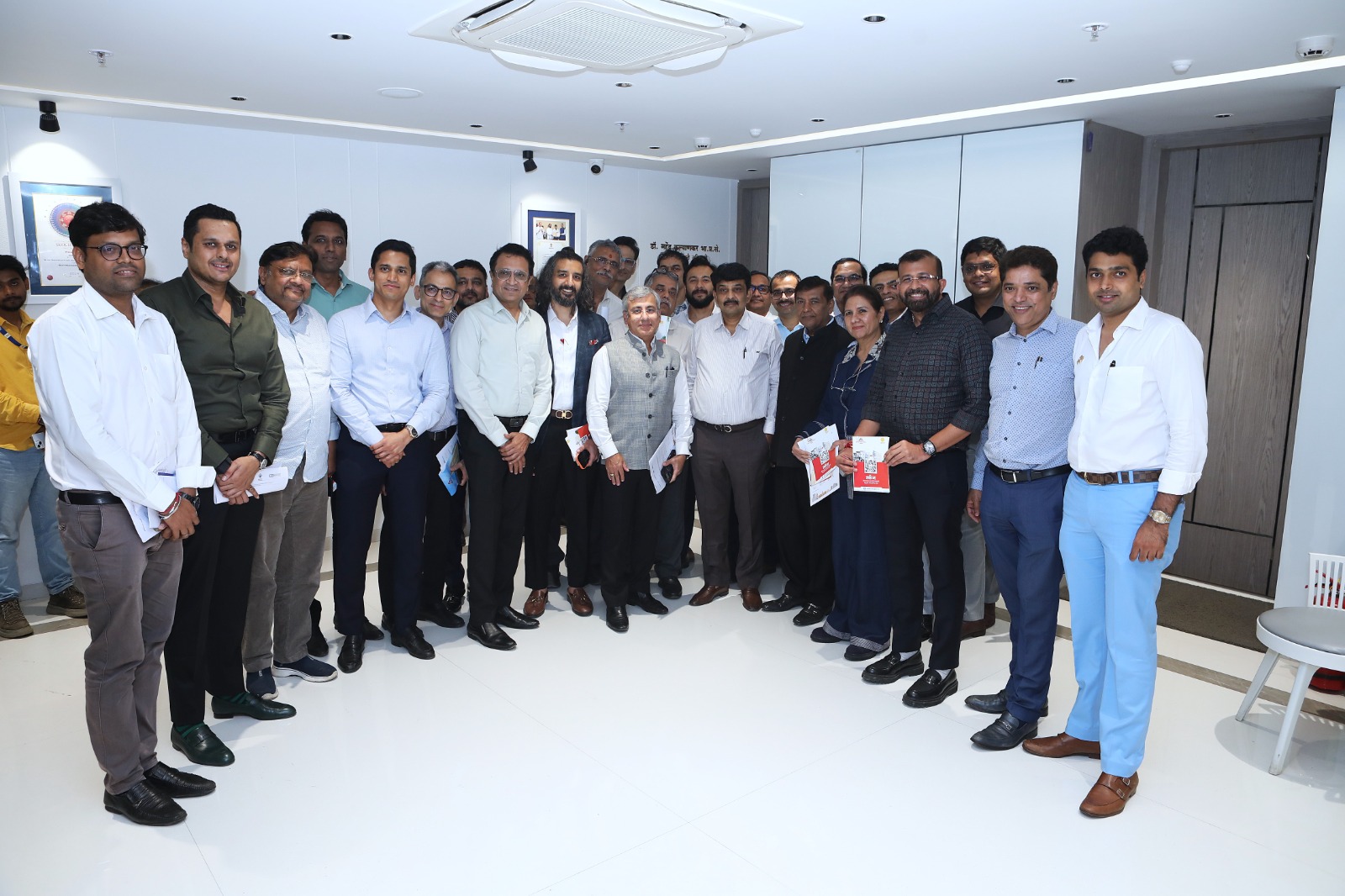
Over half of Mumbai's population resides in slums or informal settlements, making swift implementation of slum rehabilitation schemes essential for the city's holistic development. Recognising this urgency, the Slum Rehabilitation Authority (SRA) under the leadership of CEO Dr Mahendra Kalyankar recently unveiled a suite of technology-driven reforms aimed at expediting project approvals and ensuring the welfare of slum dwellers. Advertisement


During a meeting with representatives from CREDAI MCHI, NAREDCO, BDA, and PEATA, Dr Kalyankar extended an invitation for developers to visit the SRA office and understand its new initiatives. Delegates who attended the session expecting discussions on ease of doing business were instead presented with the Authority's latest digital advancements and its commitment to delivering housing for slum residents while empowering developers to meet their goals.
Among the innovations introduced were an STQC-certified multilingual website, integrated online module systems with tiered access for different users, blockchain-based approval storage, and AI-powered chatbots to enhance consumer interaction. These tools were designed to foster transparency, accelerate approvals, and reassure slum families that their rehabilitation remained central to the Authority's mission.
Dr Kalyankar set an ambitious target for his team-to digitally map every slum structure across Mumbai by the end of the year. He highlighted that initiatives such as automated DCR systems, amendments to the Slum Act, and time-bound eviction and demolition programmes were part of a concerted effort to achieve a slum-free city.
CREDAI MCHI President Shri Sukhraj Nahar expressed that his organisation had previously been hesitant to undertake slum rehabilitation projects but was now confident after witnessing the Authority's technology-led approach. He stated that the reforms had created a favourable environment for developers to engage in such schemes.
Secretary Shri Rushi Mehta emphasised that integrating data from Aadhaar, PAN, electricity bills, and electoral rolls into a unified software would be transformative, enabling the SRA to generate key documentation instantly-a process that previously took months. He also mentioned that linking Aadhaar details to permanent housing allocation would prevent duplication and ensure genuine beneficiaries received rightful housing.
NAREDCO Vice Chairman Shri Rajan Bandelkar commended the Authority's proactive governance, remarking that under Dr Kalyankar's leadership, the SRA had set a new standard in transparency and efficiency. He noted that these measures would accelerate approvals and rebuild developer confidence in slum rehabilitation initiatives. Similarly, NAREDCO Maharashtra Vice President Shri Abhay Chandak praised the SRA's swift demolition and eviction protocols, citing the removal of approximately a thousand structures in Worli within weeks as an example of its renewed vigour.
BDA President Shri Vikram Mehta added that preventing new slum encroachments was as vital as rehabilitating existing ones. He appreciated the establishment of an encroachment tracking cell that uses satellite data to identify illegal constructions and prompt immediate action from the concerned authorities.
Most concerns raised by developers were addressed during the presentation, and Dr Kalyankar assured continued support in simplifying processes and resolving operational bottlenecks. Once criticised for bureaucratic inefficiency, the SRA now appeared poised to redefine its image through technology and transparency.
Shri Sukhraj Nahar expressed such confidence in the new system that he announced plans to organise a workshop for fellow developers to experience these advancements firsthand, encouraging greater participation in slum rehabilitation projects and contributing towards the shared vision of a slum-free Mumbai.
The SRA's digital overhaul marks a turning point in Mumbai's slum rehabilitation landscape. By integrating technology into its core operations, the Authority has improved transparency, accountability, and developer engagement. Industry leaders' positive reception signals growing confidence in these reforms, suggesting that Mumbai's path towards becoming slum-free is now guided by innovation, efficiency, and a renewed spirit of collaboration between the public and private sectors.

5th Jun, 2025

25th May, 2023

11th May, 2023

27th Apr, 2023
Advertisement





 Facebook
 Whatsapp