Advertisement






Saudi Arabia is reportedly steering its USD 925 billion Public Investment Fund (PIF) away from real estate gigaprojects that have dominated its Vision 2030 agenda over the past decade. The revised strategy aims to emphasise sectors such as logistics, mineral exploration, artificial intelligence, clean energy, and religious tourism. The shift reflects mounting pressure on PIF to deliver stronger near-term returns following delays in large-scale developments like NEOM and other futuristic ventures under Crown Prince Mohammed bin Salman's economic diversification initiative.
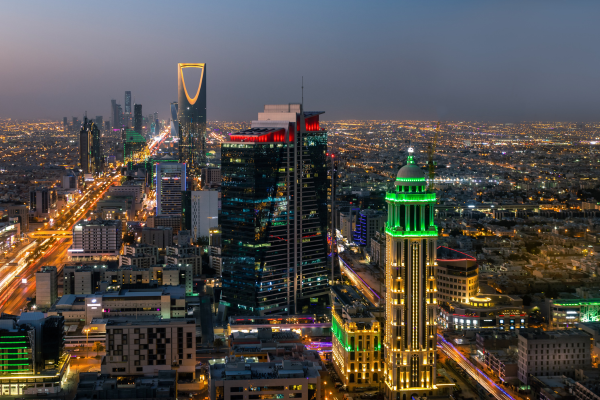
Saudi Arabia is preparing to redirect its USD 925 billion sovereign wealth fund, the Public Investment Fund (PIF), away from real estate-led megaprojects that have defined its development priorities over the past decade, a source familiar with the matter said. Advertisement


Crown Prince Mohammed bin Salman, known as MbS, introduced the Vision 2030 initiative in 2016 to transform the kingdom's economy through extensive real estate developments. PIF has served as the central financing arm for this vision, backing large-scale projects such as NEOM-a planned futuristic city on the Red Sea-and an ambitious plan to host winter sports in the northern mountains, with ski slopes largely dependent on artificial snow.
However, repeated delays in NEOM, which targets a population of nine million, and other projects have prompted a strategic rethink. According to the source, the new direction is intended to secure more sustainable and immediate returns by prioritising sectors like logistics, minerals, and religious tourism. Investments in artificial intelligence and data centres powered by Saudi Arabia's vast energy reserves are also being prioritised.
PIF Governor Yasir Al-Rumayyan stated during the Future Investment Initiative summit in Riyadh that the revised strategy would be announced very soon. He mentioned that the plan would revolve around six "ecosystems": travel and tourism, urban development, advanced manufacturing, industrial and logistics, clean energy, and renewable infrastructure, while NEOM would continue as a distinct ecosystem.
The repositioning follows growing pressure on PIF and its subsidiaries to generate higher short-term returns. Analysts have noted that several of the kingdom's gigaprojects have yet to produce sufficient returns to justify their immense costs, as many remain incomplete or delayed. PIF's existing five-year investment plan concludes this year, and a fresh strategy detailing its updated priorities is expected to be unveiled shortly.
According to sources, the PIF board has already approved a new "core strategy", signalling a renewed focus on transforming Saudi Arabia into a global logistics hub. Recent disruptions in Red Sea shipping routes have underscored the importance of resilient supply chains. The kingdom's untapped reserves of rare earth minerals will also form a key pillar of the revised approach, alongside expanding religious tourism in Mecca and Medina.
Earlier this month, MbS announced an expansion project at Mecca's Grand Mosque to add approximately 900,000 new prayer spaces. During the investment forum, artificial intelligence dominated discussions, with PIF-owned company Humain leading the country's AI drive. The firm is expected to develop around six gigawatts of data centre capacity, and its CEO, Tareq Amin, reportedly commented that funding requirements were consistently met.
Despite diversification efforts, Saudi Arabia intends to maintain significant investment in the oil and petrochemicals sectors, with renewables playing a supplementary role. PIF's average annual return between 2017 and 2024 stood at 7.2%, down from 8.7% the previous year, following project-related impairments.
In the past year, PIF has indicated plans to scale back international investments from 30% to between 18% and 20% of its total portfolio as domestic gigaprojects have slowed. Among its flagship ventures, the Red Sea Global luxury resort project has reached one of the most advanced stages, though occupancy currently averages around 40%.
The fund has also ventured into gaming, recently supporting a USD 55 billion buyout of Electronic Arts, the developer behind "Battlefield" and "Madden NFL". Meanwhile, construction progress on projects tied to major events, such as Trojena-set to host the 2029 Asian Winter Games-has been slower than planned, with discussions reportedly underway to postpone the event until 2033.
Work on NEOM's "The Line", an envisioned 170-kilometre-long indoor city, has been scaled back to focus on a 2.4-kilometre stretch that includes a World Cup stadium. The Saudi government continues to rely heavily on global consultancies, including PwC and McKinsey, for Vision 2030 implementation, while also collaborating with international hotel operators such as Marriott International, Hyatt, Hilton, and St Regis through the Red Sea Development Company.
Saudi Arabia's Public Investment Fund is undergoing a significant strategic realignment as it shifts from its earlier emphasis on real estate megaprojects towards more diversified sectors promising quicker returns. The renewed focus on logistics, mining, clean energy, and artificial intelligence underscores the kingdom's broader ambitions to become a global economic hub. While projects like NEOM remain central to Vision 2030, the revised approach reflects a pragmatic pivot towards economic sustainability, strengthened domestic capacity, and measured growth in line with the evolving global investment landscape.
Source - Reuters

5th Jun, 2025

25th May, 2023

11th May, 2023

27th Apr, 2023
Advertisement





 Facebook
 Whatsapp