Advertisement






Real estate is shifting from a focus on property features and location to prioritizing human experience. Design thinking enables architects to understand how people interact with spaces, creating homes, offices, and commercial areas that are more flexible, collaborative, and user-friendly. Smart systems, sustainability measures, and technology integration further enhance comfort, efficiency, and environmental resilience. Iterative processes, client input, and real-world observation ensure properties meet actual needs, not just aesthetic goals. This approach is redefining urban spaces, increasing value, and promoting healthier, more productive communities.
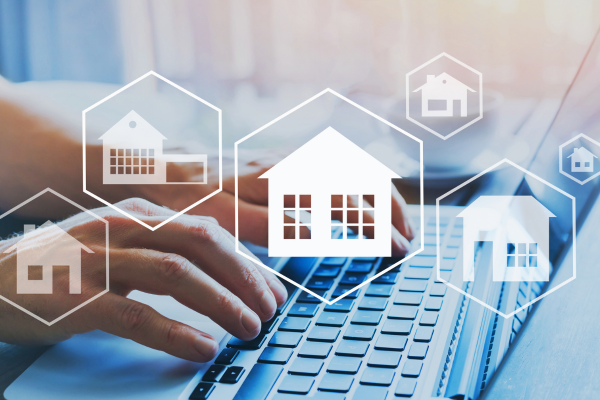
The real estate industry is increasingly adopting design thinking to ensure that properties serve the people who live and work in them. Architects and designers are now focusing not only on construction feasibility but also on the human experience of space. By using interactive tools and smart systems, they can visualize how residents and employees interact with buildings. Combining this with client feedback results in more adaptable, efficient, and responsive developments that reflect contemporary lifestyles. Advertisement


Homes today incorporate daylight, natural ventilation, gardens, and adaptable layouts to promote well-being and interaction. Offices and retail spaces are being designed with collaboration in mind, featuring open layouts, common areas, and greenery that enhance creativity and engagement. Industrial spaces are also being reimagined with clear layouts, ergonomic design, and natural light to improve safety and productivity. Across residential, commercial, and industrial sectors, intentional design is now central to creating thriving communities.
Architects increasingly observe actual user behavior rather than relying solely on assumptions. Office designs informed by employee input have become highly adaptable. Meeting rooms can transform into collaborative spaces without feeling cramped, and lounges are integrated into workflows to accommodate modern business needs. A study published in the Journal of Open Innovation: Technology, Market, and Complexity highlighted that user-driven designs lead to flexible office spaces, adjustable areas for various purposes, and improved access to storage and resources. This approach ensures properties are functional and genuinely customer-friendly.
Problem-solving in architecture has also evolved through iterative processes. Temporary mock-ups, 3D models, and digital simulations allow mistakes to be identified early, making final designs feel natural and seamless. According to McKinsey & Company, iterative design can increase market share by 10% and customer satisfaction by 12%. While this process involves trial and error, it delivers structured creativity that results in smarter, more practical living, working, and recreational spaces.
Sustainability has become an essential aspect of design. Apartments, offices, and commercial buildings now focus on energy efficiency, cross ventilation, green roofs, and eco-friendly materials. According to the Engineering Science & Technology Journal, implementing green design principles can increase property value by 15% while improving health, comfort, and resilience in urban environments. Sustainable spaces address urban challenges like heatwaves and population growth while enhancing quality of life.
Technology is no longer an accessory but a key partner in design. Smart lighting, elevators, energy sensors, and app-based building management systems are integrated to facilitate smooth, efficient living. Building Information Modeling (BIM) allows architects to digitally plan and coordinate systems, detect potential issues early, and make precise adjustments. The result is buildings that operate effortlessly and meet client requirements effectively.
Global examples show the real impact of design thinking. Chinese developer Vanke has implemented design thinking to improve construction quality, lower costs, and create user-friendly spaces. In India, residential, industrial, and commercial properties are increasingly designed with collaboration, adaptability, and natural light as priorities. Designheed and similar firms continue to innovate, aiming for integrated, efficient, and future-proof solutions that deliver safe, sustainable, and practical structures.
While the approach requires patience, understanding diverse user needs, and flexibility, it offers significant rewards. Empowered neighborhoods, smart architecture, eco-friendly construction, and satisfied occupants are tangible outcomes. Observing people thrive in thoughtfully designed spaces underscores the value of design thinking, demonstrating that functional and sustainable environments benefit communities, individuals, and the broader urban ecosystem.
Disclaimer:
The views, opinions, and information expressed in this article are solely those of the author and do not necessarily reflect the views of Prop News Time. The content has not been independently verified or endorsed by Prop News Time. Readers are advised to exercise their own discretion and seek professional advice if required.

5th Jun, 2025

25th May, 2023

11th May, 2023

27th Apr, 2023
Advertisement





 Facebook
 Whatsapp