Advertisement






Chandigarh has emerged as India's first slum-free city after the administration demolished Shahpur Colony in Sector 38, the last slum in the Union Territory. The colony housed nearly 1,000 residents in about 300 hutments and tenements. Over the past 12 years, the city has cleared 18 slum colonies, reclaiming nearly 520 acres of government land valued at around INR 21,000 crore. Residents eligible under the Chandigarh Small Flats Scheme, 2006, were provided EWS flats in different sectors. The city's approach combines planned rehabilitation, strategic land use, and urban development, offering a model for other Indian cities.
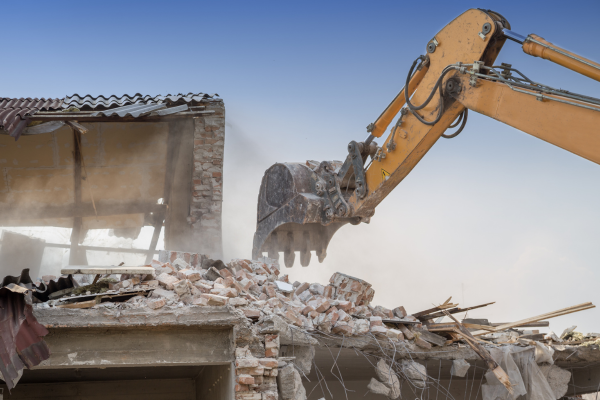
Chandigarh has officially become India's first slum-free city following the demolition of Shahpur Colony in Sector 38, marking the removal of the last remaining slum in the Union Territory. The colony spanned 4 to 4.5 acres and was valued at approximately INR 250 crore. Around 300 hutments and tenements accommodated close to 1,000 residents. Advertisement


Before the demolition, the Chandigarh administration carefully screened residents for rehabilitation under the Chandigarh Small Flats Scheme, 2006. Families deemed eligible were allotted Economically Weaker Section (EWS) flats across multiple sectors, including Industrial Area Phase I, Dhanas, Mauli Jagran, Ram Darbar, and Sector 49, ensuring minimal disruption to their lives and a dignified transition.
Over the last 12 years, the administration has systematically cleared 18 slum colonies across the city, reclaiming nearly 520 acres of government land valued at around INR 21,000 crore. Significant past clearances include Janta Colony in Sector 25, which spread over about 10 acres and housed nearly 10,000 residents; Sanjay Colony in Industrial Area Phase I covering six acres; and Adarsh Colony in Sector 54, reclaiming 12 acres of prime land. Each clearance was accompanied by planned relocation and provision of suitable housing for affected residents.
Deputy Commissioner Nishant Kumar Yadav highlighted that the city's approach focused on combining planned rehabilitation, strict enforcement, and strategic land use. He explained that this method not only reclaimed valuable government land but also offered thousands of residents improved housing and better living conditions. The initiative reflects Chandigarh's long-term urban planning goals, emphasizing social equity, sustainable development, and inclusive growth.
Chandigarh's success in becoming slum-free sets a precedent for other Indian cities. It demonstrates the importance of well-coordinated planning, transparent rehabilitation schemes, and effective enforcement to balance urban development with residents' welfare. The city's experience illustrates how infrastructure improvements and social housing initiatives can work hand-in-hand to achieve large-scale urban transformation.
Source PTI

5th Jun, 2025

25th May, 2023

11th May, 2023

27th Apr, 2023
Advertisement





 Facebook
 Whatsapp
