Advertisement






The Zojila tunnel project, which aims to connect Sonamarg in Jammu & Kashmir with Minamarg in Ladakh, will now be completed by February 2028, missing its earlier target of September 2026. The tunnel has seen about 64% physical progress, and over INR 3,934 crore has been spent so far out of the total INR 6,809 crore budget. The delay has been attributed to COVID-19 disruptions, a terror attack at a nearby site, and tough weather conditions. Once completed, the tunnel will ensure all-weather connectivity and significantly improve travel and logistics between Srinagar and Leh.
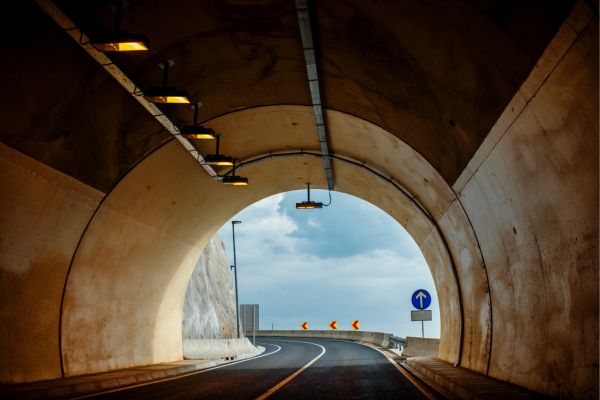
The Zojila tunnel, one of India's most significant road infrastructure projects, will now be completed by February 2028, extending well beyond its earlier target of September 2026. Officials from the Ministry of Road Transport and Highways shared this revised timeline earlier this week, citing a combination of challenges that caused the delay. Advertisement


So far, the project has achieved approximately 64% physical progress. Of the sanctioned project cost of INR 6,809 crore, an expenditure of around INR 3,934 crore has already been incurred.
The ministry clarified that the revised completion date was due to three main disruptions: the COVID-19 pandemic, an attack by terrorists on the Z-Morh tunnel site in 2022, and harsh winter weather that affected progress in the high-altitude zone.
Despite the setbacks, the project is moving steadily. About 1,141 workers are currently deployed on-site, out of which nearly 77% belong to the union territory of Jammu & Kashmir. Around 28% of the total workforce is from the Ganderbal district, where the project is located. This has provided local employment and community involvement.
Once finished, the Zojila tunnel will be Asia's longest bi-directional road tunnel at approximately 13.15 km in length. It is located at an altitude of about 11,578 feet and will enable year-round road connectivity between Sonamarg in Kashmir and Minamarg in Ladakh.
The tunnel will drastically reduce travel time between Srinagar and Leh from over three hours to just about 30 minutes. It also holds strategic importance by providing uninterrupted access for military and civilian transport during heavy snowfall and extreme weather, when the Zojila Pass often becomes impassable.
The project is being executed under the EPC (engineering, procurement, and construction) model, and advanced tunneling methods are being used to suit the region's tough Himalayan terrain. The tunnel is a key part of the government's broader infrastructure push in border areas.

5th Jun, 2025

25th May, 2023

11th May, 2023

27th Apr, 2023
Advertisement





 Facebook
 Whatsapp