Advertisement






India's office market recorded an 11% year-on-year rise in gross leasing to 178 lakh sq ft in Q2 2025, indicating a revival in corporate demand, particularly across Delhi-NCR, Bengaluru, and Mumbai. Delhi-NCR led with 16% growth in Grade A absorption, supported by demand from BFSI, tech, and consulting firms. Flexible workspace providers and global capability centres (GCCs) also significantly contributed to the demand surge. Shifting occupier preferences toward tech-integrated, ESG-compliant office spaces have spurred leasing in both metro cities and Tier II locations, reaffirming India's appeal in the APAC office leasing market.
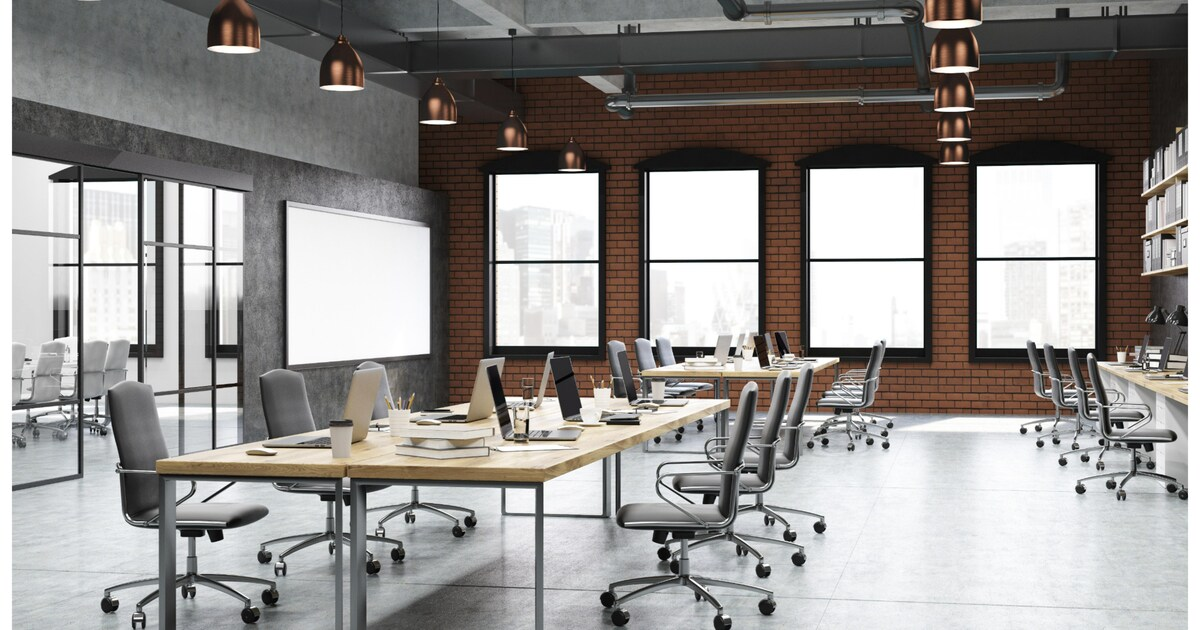
India's office market has registered a year-on-year increase of 11% in gross leasing activity, reaching 178 lakh sq ft during the second quarter of 2025, according to data from Colliers. Among the top seven office markets, five cities posted annual growth in the uptake of Grade A office space, reflecting a strong return in occupier sentiment. Advertisement


Delhi-NCR remained a pivotal player, with Grade A gross absorption rising 16% year-on-year to 2.2 million sq ft during the same quarter. The region also witnessed a 25% year-on-year surge in net absorption during the first half of 2025, underlining its importance for corporate occupiers.
Corporate interest continues to centre on Delhi-NCR, driven by infrastructure improvements and consistent demand from BFSI, technology, and consulting sectors. Fintech companies in particular are steering growth in NCR and Mumbai, favouring agile, technology-enabled office environments. Concurrently, engineering and R&D occupiers are expanding operations in Bengaluru, Chennai, and Hyderabad to strengthen their innovation capabilities. Demand for flex workspaces has surged as hybrid working models compel firms to adopt scalable and cost-efficient solutions.
In a separate assessment by Cushman & Wakefield, gross leasing across the top eight Indian cities reached 214 lakh sq ft, positioning India as a dominant occupier market in the Asia-Pacific region.
The ongoing rise in net absorption is largely attributed to corporate relocation from legacy facilities to modern Grade A office spaces that prioritise sustainability, employee wellness, and integrated technology. This transition is particularly noticeable in micro-markets such as Gurugram and Faridabad, where developers are offering ESG-compliant buildings with advanced connectivity and smart infrastructure, matching evolving workforce needs and corporate sustainability agendas.
Mohit Goel, Managing Director of Omaxe Group, noted that Delhi-NCR's 16% annual growth in Grade A leasing underscored its emergence as a central hub for corporate operations, especially for GCCs, which now contribute a quarter of the overall leasing activity. He highlighted Faridabad as an increasingly attractive location for large-format office projects, attributing its appeal to cost-effective rentals, land availability, and growing infrastructure such as metro extensions and Jewar Airport connectivity.
Sandeep Chhillar, Founder and Chairman of Landmark Group, stated that the surge in leasing activity demonstrated a shift towards workplace quality, with companies prioritising wellness-focused, hybrid-compatible, and energy-efficient campuses. He cited Gurugram as the preferred choice for multinational companies, enhanced by major developments such as the Dwarka Expressway and metro network expansion, which are expected to further elevate the region's commercial appeal.
According to Vestian, GCCs leased 31.8 million sq ft of office space in FY 2024-25, a sharp increase from 25.6 million sq ft in the preceding year. This segment accounted for 42% of all office space absorption nationwide, signalling strong momentum and positioning 2025 as a high-growth year. With India offering a robust cost-value equation and talent ecosystem, its advantage over other Asia-Pacific markets continues to grow.
Uddhav Poddar, Chairman and Managing Director of Bhumika Group, highlighted a growing corporate inclination towards Tier II cities, citing operational efficiency, improved infrastructure, and talent retention as key factors. Within NCR, New Gurugram is emerging as a modern commercial node due to its connectivity, infrastructure, and proximity to new residential clusters.
Prakash Mehta, Chairman and Managing Director of Ocus Group, emphasised Gurugram's emergence as a strategic office destination, especially among Fortune 500 firms and GCCs. He pointed out that areas such as Sector 99 along the Dwarka Expressway are shaping up into integrated business districts offering sustainable, experience-centric environments.
Micro-markets across Delhi-NCR are driving the regional office growth narrative, while India's broader commercial real estate story reflects a transformation toward adaptive, ESG-driven, and innovation-led workplace strategies. As global and domestic firms recalibrate office strategies, India's evolving office landscape is asserting itself as a benchmark for the future of work in the APAC region.
Delhi-NCR has emerged as the front-runner, propelled by diverse industry interest and robust infrastructure. The growing prominence of GCCs, alongside rising flex space demand and the entry of Tier II cities into the commercial spotlight, reflects a broad-based shift in how companies view workspace utility and efficiency. As workplace expectations transform, India's office market is no longer just recovering-it is actively

5th Jun, 2025

25th May, 2023

11th May, 2023

27th Apr, 2023
Advertisement





 Facebook
 Whatsapp
