Advertisement






India's office real estate market is strengthening, with demand reaching 34.5 million sq ft in H1 2025, according to the CREDAI-CRE Matrix report. Vacancy rates fell by 210 basis points year-on-year, driven by Global Capability Centres (GCCs) and steady domestic absorption. Bengaluru, MMR, Delhi-NCR, and Hyderabad led activity, with IT/ITeS (24%), BFSI (20%), and co-working (19%) dominating leasing. Hyderabad accounted for 29% of co-working demand and is on track to surpass MMR in total stock. Pune and Hyderabad together supplied over half of new additions, while Pune and Bengaluru generated 40% of demand. Strong leasing in NCR and upcoming supply in Ahmedabad signal continued resilience.
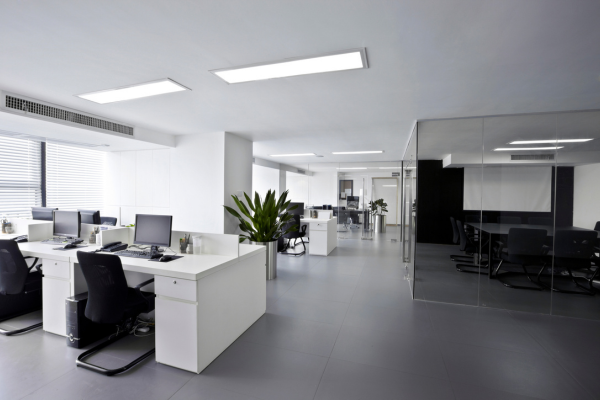
India's office real estate sector has recorded visible progress, as highlighted in the latest CREDAI-CRE Matrix report. The combination of Global Capability Centre (GCC) expansion and steady domestic absorption has helped bring vacancy rates down by 210 basis points year-on-year. Total office demand reached 34.5 million sq ft in the first half of the year, with 17.3 million sq ft absorbed in the most recent quarter. Advertisement


Flexible work models and active occupier participation across key cities supported this performance. Bengaluru, Mumbai Metropolitan Region (MMR), Delhi-NCR and Hyderabad were among the strongest contributors to absorption, reflecting a balanced spread of demand across different regions.
The market continues to show resilience through sectoral diversity. In the last quarter, IT/ITeS firms accounted for 24 per cent of leasing, banking and financial services made up 20 per cent, and co-working operators followed closely at 19 per cent. Hyderabad has emerged as the leading city for co-working demand, representing 29 per cent of the segment. With this pace of activity, the city is expected to soon surpass MMR in total office stock.
New office supply is also reshaping market dynamics. Pune and Hyderabad together contributed more than half of new additions, while Pune and Bengaluru jointly generated 40 per cent of the overall demand. During the first half, 28.8 million sq ft of new office space was added, and Pune alone represented close to 30 per cent of this supply.
Delhi-NCR registered demand of around 4.9 million sq ft in the first half, with 23 per cent quarter-on-quarter growth led by banking, professional services and healthcare sectors. Despite holding a vacancy rate of 20.8 per cent, leasing in Gurgaon and Noida continued to remain strong, pointing to sustained business activity in the region.
Ahmedabad also made steady progress, recording about 0.5 million sq ft of demand during the first half. Its long-term growth prospects remain positive, supported by 9.7 million sq ft of upcoming Grade A supply and the growing role of GIFT City as a financial and technology hub.

5th Jun, 2025

25th May, 2023

11th May, 2023

27th Apr, 2023
Advertisement





 Facebook
 Whatsapp