Advertisement






UK house prices saw a slight decline in August, falling 0.1% month-on-month, according to Nationwide Building Society. Annual growth also slowed to 2.1%, the weakest rate since mid-last year. Rising mortgage costs and stretched affordability have constrained buyers, with first-time homeowners facing payments that take up 35% of their take-home pay. While the Bank of England reduced interest rates, inflation concerns may limit future cuts. Analysts caution that potential property tax changes in the upcoming budget could further dampen market sentiment. The housing market shows signs of slowing after last year's strong growth.
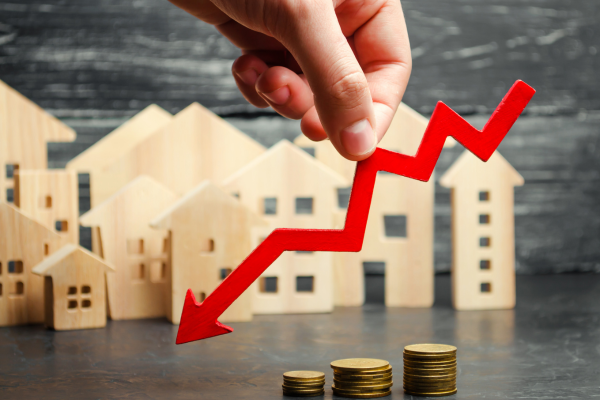
UK house prices experienced a small decline in August, according to data from Nationwide Building Society, reflecting ongoing affordability challenges for buyers. Property values fell by 0.1% compared with July, marking the third monthly decrease since April, when a tax incentive for buyers of lower-value homes came to an end. Advertisement


On a yearly basis, house prices were up by 2.1%, representing one of the weakest annual growth rates since mid-last year. Economists had expected a 0.2% monthly rise and a 2.8% annual increase, indicating that the housing market is performing below forecasts. By contrast, prices had been growing at nearly 5% annually at the end of last year, ahead of the expiry of the stamp duty land tax exemption, which had encouraged stronger buyer activity.
Nationwide's Chief Economist, Robert Gardner, explained that the slower pace of house price growth is consistent with long-standing affordability pressures. For a typical first-time buyer with a 20% deposit, monthly mortgage payments now account for around 35% of take-home pay, higher than the historical long-term average of 30%. These conditions are making it more difficult for many potential homeowners to enter the market.
The Bank of England reduced its benchmark interest rate from 4.25% to 4% earlier in August but signaled concerns about inflationary pressures. Analysts interpret this as an indication that further cuts in borrowing costs may be gradual, potentially limiting the relief available to mortgage borrowers in the near term.
The housing market has also been affected by concerns over potential tax changes. The Royal Institution of Chartered Surveyors reported that some buyers are holding back due to uncertainty about upcoming fiscal measures in the finance minister's next budget. Ashley Webb, a UK economist with Capital Economics, noted that speculation about possible property tax increases, including a mansion tax, could further affect buyer sentiment in the coming months.
Looking at the broader trend, property prices have shifted from strong growth last year to more subdued movements. The expiration of tax incentives and the combination of high mortgage costs and interest rate concerns have created a more cautious market environment. While prices continue to increase compared with the previous year, the pace has clearly slowed, highlighting the impact of affordability, policy expectations, and economic conditions on housing demand.
Source: Reuters

5th Jun, 2025

25th May, 2023

11th May, 2023

27th Apr, 2023
Advertisement





 Facebook
 Whatsapp
