Advertisement






MMRDA has cut the estimated cost of the planned Uttan-Virar sea link project from INR 87,427 crore to INR 52,652 crore, saving around INR 35,000 crore. The reduction comes after a redesign that changed lane configurations from 4+4 to 2+2 lanes and shifted from a twin-pillar to single-pillar structural design. The sea link portion was also shortened from 24.4 km to 19 km, while the project's total length remains 55.1 km. About 72% of the new cost will be financed through loans, with the rest via state equity. Deputy CM Eknath Shinde has asked MMRDA to speed up approvals and submit a detailed project report.
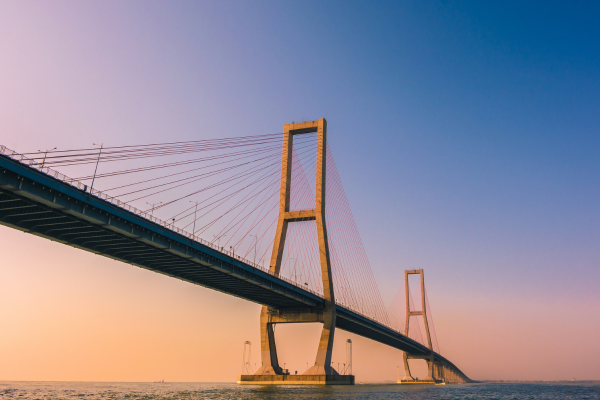
The Mumbai Metropolitan Region Development Authority (MMRDA) has drastically reduced the estimated cost of a major sea link project. This move impacts the planned Uttan-Virar sea link in Mumbai, following a comprehensive redesign of its structural and lane configurations, achieving substantial savings in the overall project expenditure. Advertisement


The project's cost has been slashed from an initial INR 87,427 crore to INR 52,652 crore, resulting in a substantial saving of INR 35,000 crore. The redesign involved key changes, the lane configuration was revised from 4+4 emergency lanes to a more streamlined 2+2 setup. The structural design shifted from a twin-pillar system to a single-pillar one.
Additionally, the specific sea link portion of the project has been shortened from 24.4 kilometers to 19 kilometers, although the total overall length of the entire project remains 55.1 kilometers. The revised funding model indicates that approximately INR 37,998 crore, representing 72.2% of the new estimated cost, will be raised through various loans. The remaining INR 14,654 crore, or 27.8%, is expected to be covered by state equity.
Maharashtra Deputy Chief Minister Shri Eknath Shinde has directed MMRDA to fast-track all necessary approvals and promptly submit a detailed project report (DPR) for the restructured sea link. Large-scale infrastructure projects often undergo such cost revisions during their planning and design phases to enhance financial viability and address budgetary constraints. These redesigns are vital for balancing ambitious urban development goals with fiscal prudence, and sea links are crucial for reducing congestion and improving connectivity in densely populated coastal metropolitan areas.

5th Jun, 2025

25th May, 2023

11th May, 2023

27th Apr, 2023
Advertisement





 Facebook
 Whatsapp