Advertisement






India's logistics costs have dropped from nearly 16% to around 10% of GDP, according to Transport Minister Nitin Gadkari, who aims to bring it down to 9% soon. Faster port handling, lower transport costs, and innovations like FASTag have cut delays and fuel waste, helping exporters and small businesses. The government is focusing on green fuels and multimodal hubs, building logistics parks in Assam, Nagpur, and Jammu & Kashmir. New expressways will soon connect Delhi to cities like Jaipur and Dehradun in just a few hours. These steps, under plans like Bharatmala and Sagarmala, aim to make India's supply chains more efficient and sustainable.
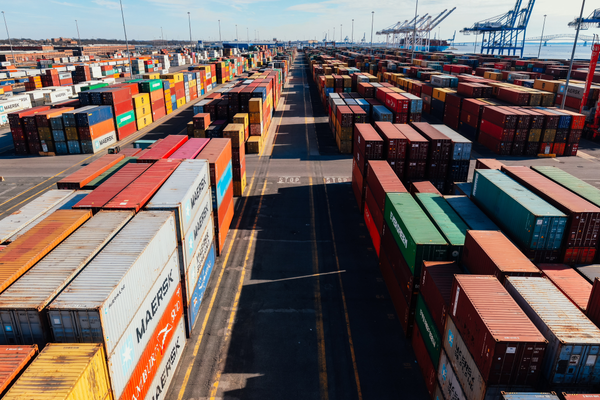
Transport and Highways Minister Shri Nitin Gadkari recently announced that the country's logistics costs, once close to 16% of GDP, have now fallen to nearly 10%. According to him, the government aims to lower it further to 9% by expanding integrated infrastructure and strengthening the use of alternative energy sources across transport networks. Advertisement


This reduction is not just theoretical-it's already being reflected on the ground. Port handling times have improved by 45%, and transport costs have declined by around 25%, translating into tangible gains for exporters and MSMEs. The adoption of FASTag and the complete digitisation of toll collection have helped cut idle engine time at checkpoints, reducing fuel wastage and travel delays on national highways. These developments are part of a broader strategy to enhance India's global competitiveness, ease logistics for small businesses, and improve operational margins across supply chains.
The government is banking on sustainability and multimodal integration as twin pillars of this shift. Gadkari underscored India's commitment to green fuels, noting that vehicles powered by ethanol, electric batteries, CNG, and green hydrogen are central to reducing dependence on fossil fuel imports. He also expressed confidence that India could evolve into a net energy exporter in the future, further boosting its trade balance and energy security.
Under the PM Gati Shakti National Master Plan, the Ministry is developing major multimodal logistics parks in states such as Assam (Jogighopa), Maharashtra (Nagpur), and Jammu & Kashmir (Katra). These hubs are strategically located to connect highways with ports, rail networks, and inland waterways, enabling smoother cargo transition across modes. This multimodal approach is designed to eliminate bottlenecks, reduce cargo dwell times, and optimise freight movement over long distances.
At the same time, the government is accelerating the rollout of high-speed corridors and expressways that dramatically reduce travel times. For example, travel from Delhi to key cities such as Dehradun, Jaipur, Chandigarh, and Katra will soon be possible within two to four hours, thanks to newly built expressways. The flagship Delhi-Mumbai Expressway, which includes a dedicated lane for electric vehicles, is also progressing steadily and is expected to serve as a model for sustainable highway development.
These developments are integrated under broader schemes like Bharatmala and Sagarmala, which are focused on bridging critical infrastructure gaps along India's coastal, inland, and border regions. Inland freight terminals and industrial zones are being planned along these routes to attract investment and stimulate regional economic growth.

5th Jun, 2025

25th May, 2023

11th May, 2023

27th Apr, 2023
Advertisement





 Facebook
 Whatsapp