Advertisement






CBRE's latest Asia Pacific Logistics Occupier Survey reveals that 76% of logistics firms plan to expand their real estate footprint over the next 3-5 years, despite trade policy uncertainties. While long-term optimism persists, short-term caution is rising, with cost efficiency and location strategy taking centre stage. India and the Middle East top the list for expansion, driven by strong domestic demand and supply chain diversification. Rental costs, transport efficiency, and proximity to key nodes are major factors in relocation decisions. The survey also highlights a growing confidence gap between India and China, as logistics occupiers adapt strategies to manage economic headwinds and shifting global dynamics.
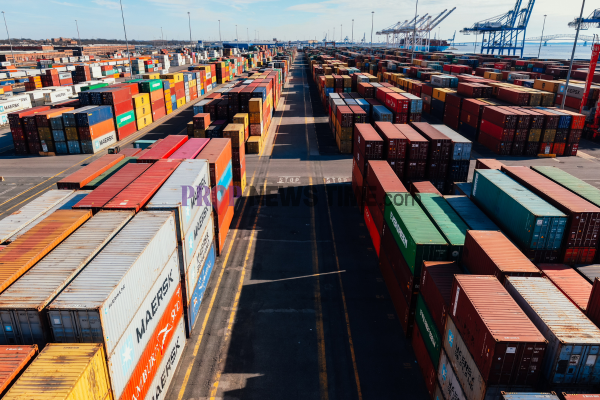
A majority of logistics occupiers across the Asia Pacific region have indicated plans to expand their real estate footprint over the next three to five years, according to CBRE's latest Asia Pacific Logistics Occupier Survey. Despite the prevailing uncertainty surrounding global trade policies, around 76% of respondents signalled intentions to grow their physical presence in the region. Advertisement


The survey, which collected insights from over 380 companies, revealed that while optimism remains for the long-term, short-term caution has become more pronounced. Approximately 69% of occupiers expressed expectations of better business performance in the coming two years-a notable drop from the 81% recorded in the previous year's edition. This tempered confidence reflects shifting market priorities, with a stronger focus on cost efficiency and carefully selected locations that align with broader operational goals.
Among the most pressing concerns identified by respondents were economic instability and escalating costs, which continue to dominate decision-making in the logistics sector. Notably, this year has seen an increase in apprehension surrounding trade policy changes, which have added a layer of volatility to an already challenging landscape.
As companies grow more cost-conscious, 78% of participants pointed to rental reduction as the leading factor influencing relocation. Strategic positioning has also gained traction, with occupiers actively seeking real estate close to transport nodes, customer catchments, and key supply chain routes. These locations offer tangible advantages such as lower transport expenditure, improved delivery timelines, robust supply chain continuity, and higher customer satisfaction.
Michael Bowens, CBRE's Head of Industrial & Logistics Leasing for Asia Pacific, noted that real estate typically represents between 3% and 6% of the total logistics cost structure. He advised occupiers to focus not only on headline rental rates but also on the broader total occupancy costs. This includes considerations such as transport logistics, availability of skilled labour, last-mile delivery efficiencies, and inventory management.
When it comes to preferred expansion destinations, India and the Middle East emerged as the top choices, trailed by Southeast Asia. This surge in demand is largely driven by third-party logistics providers and e-commerce firms responding to growing consumer expectations. Manufacturers, too, are fuelling growth as they look to diversify their supply chain strategies in response to geopolitical and market shifts.
Interestingly, the survey pointed to a noticeable divergence in sentiment between India and China. In India, more than 80% of logistics occupiers expressed confidence in improved business prospects, driven largely by an increase in domestic consumption. Conversely, occupiers in China appeared more reserved, weighing expansion decisions amid policy concerns and a sharp uptick in new logistics space availability due to recent construction completions.
Ada Choi, Head of Research for Asia Pacific at CBRE, commented that economic headwinds and changes in trade policy remain significant hurdles for the region's logistics sector. She emphasised the importance of occupiers re-evaluating their strategies to strike a balance between cost, efficiency, and long-term growth objectives. According to her, successfully navigating these current market challenges will ultimately pave the way for future expansion.
Occupiers appear ready to realign their real estate strategies, prioritising cost control and strategic location benefits to future-proof operations. Markets like India and the Middle East are gaining traction, suggesting a shift in regional logistics dynamics. With a proactive approach and careful recalibration of costs versus value, occupiers are laying the foundation for long-term expansion amid short-term turbulence.

5th Jun, 2025

25th May, 2023

11th May, 2023

27th Apr, 2023
Advertisement





 Facebook
 Whatsapp