Advertisement






New-home sales in the U.S. tumbled 13.7% last month, sliding to their lowest level since late last year as mortgage rates hovered near 7% and consumer sentiment weakened. Builders have responded with price cuts and incentives, but elevated borrowing costs and rising input expenses spurred by tariffs are dragging demand and construction. Inventory has swelled to levels unseen since 2007. With builder confidence sagging and policy uncertainties persisting, analysts predict continued market softness and potential ripple effects across the broader economy.
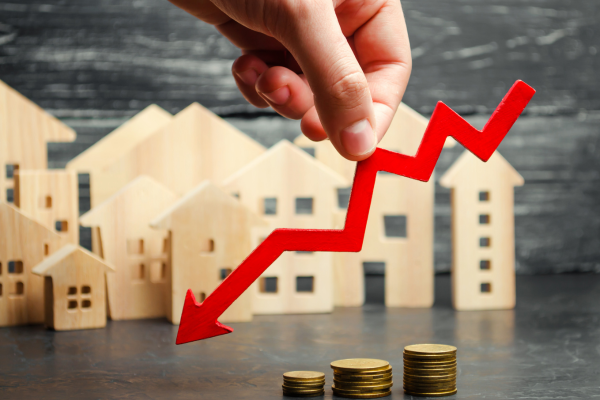
Sales of newly built single-family homes plunged by 13.7% in the past week of May, marking the sharpest decline in nearly three years and landing at an annualized pace of 623,000 units far below economists' forecasts of roughly 693,000 contracts.This downturn underscores persistent affordability pressures, as mortgage rates have stayed stubbornly close to 7%, alongside mounting economic unease. Advertisement


Builders have been slashing prices and rolling out incentives about 37% reported cutting prices in June, averaging a 5% drop to attract weary buyers, though the approach has yielded mixed results. Larger firms like Lennar have managed to drive some sales through these discounts. Yet, industry sentiment is dim, with many home-building permits at multi-year lows and confidence among builders dropping sharply .
Available inventory has swelled to approximately 507,000 homes, the highest level since 2007, creating a supply glut that now covers nearly 10 months of sales well above a balanced market metric. Despite modest upward movement in home prices the median new-home price rose 3-4% to around USD 426,600 buyers are still holding back.
On top of rate-induced woes, rising material costs due to tariffs on lumber, steel and aluminum and fears over tightened labor supply and further tariffs are weighing heavily on builders. Some estimate these duties could tack on USD 10,900 to the cost of a home.
Economists warn that the housing sector may subtract from GDP growth in the current quarter, echoing risks flagged earlier this year. Bank of America recently found that 60% of prospective buyers are uncertain about entering the market levels not seen since 2023 due to price and rate volatility. As a result, the traditionally strong spring buying season fizzled.
Looking ahead, analysts predict ongoing softness in sales and construction unless mortgage rates ease significantly and economic sentiment improves. Meanwhile, industry consolidation appears likely, with larger homebuilders and real-estate platforms consolidating share as smaller players struggle.
The downturn follows three years of sluggish housing activity, where existing home sales hit near 30-year lows and new-home sales languished below five-year averages. The Federal Reserve has kept benchmark interest rates steady between 4.25% - 4.50%, waiting to observe tariff impacts before considering policy shifts. Mortgage rates have tracked closely with 10-year Treasury yields, briefly touching nearly 6.9% in May.

5th Jun, 2025

25th May, 2023

11th May, 2023

27th Apr, 2023
Advertisement





 Facebook
 Whatsapp